What Happens Behind The Doors Of Private Restaurants?

For celebrities, privacy is sometimes seen as a luxury, not a right. It's perhaps no wonder, then, that things like private restaurants exist. These are places where people can go and dine without the fear of being surrounded by others who keep watching them or disturbing them during their meal. However, it's not that cheap to eat somewhere like this.
The reason they tend to attract a lot of celebrity clientele is that it costs a lot to both gain entry to the establishment and remain a member here. Surely the price tag is worth it, though? That's what we want to find out as we take a look at what happens behind the doors of private restaurants.
Private restaurants come with expensive yearly fees and initiations
Private - or members-only - restaurants exist all over the US, although they're most prominent in places like Miami, Los Angeles, and New York City. Establishments like The Britely, NeueHouse, Spring Place and ZZ's all fall into this category of dining establishment, and none of them are cheap. ZZ's allegedly costs $50,000 a year for someone to be a member there. Other places might be more affordable, but not always. For instance, while the Aman only reportedly costs $15,000 a year, it also apparently comes with a $200,000 initiation fee. Meanwhile, SHŌ Club - which opens in San Francisco in 2023 - is allegedly as much as $300,000. On the flip side, you have places like The Ned, which costs much less at $5,000 a year but also requires a successful interview and a nomination by other members.
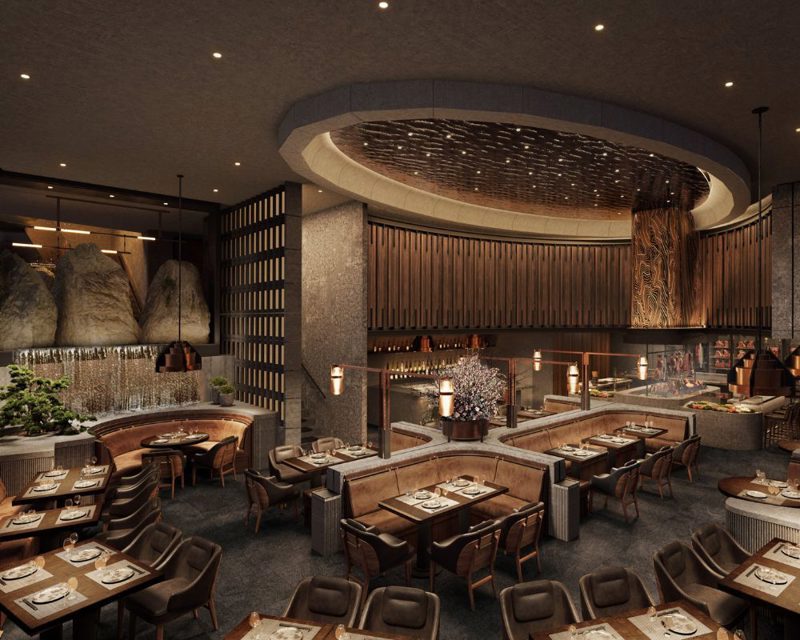
Do private restaurants offer enough to justify the expensive fees?
Given the amount that members are expected to pay for these private establishments, you might expect them to be the most incredible restaurants on the planet. After all, those fees don't even include how much you have to pay for food and drinks whenever you visit. However, in many ways, there's not actually that much that sets them apart from other high-end eateries. Some of them come with incredible views and decent amenities, such as a rooftop pool or jazz lounge. However, this is stuff that you can potentially find in a fine dining restaurant that doesn't require you to pay a member's fee. Moreover, the food isn't necessarily any more groundbreaking than what you'd discover in such a place, and the service isn't always top-notch either. Don't be surprised if you ultimately walk away feeling a little let down.
So, what do you get by spending all that money?
If these private restaurants aren't necessarily that unique and they don't offer much of significant value, what exactly are you paying for? The answer is simple - exclusivity. In cities where it can be hard to find a table somewhere good, these establishments offer more of a guarantee that you'll be able to dine somewhere you want to. Moreover, they keep out anyone whose disposable income doesn't match your own. When you're a celebrity or someone with a ton of money in the bank, it's understandable why that might seem like a perk. However, to the average person, it probably doesn't seem like much justification for such a hefty price tag. Still, if you've got the cash to burn, then having a membership to such restaurants may just seem like the thing to do.
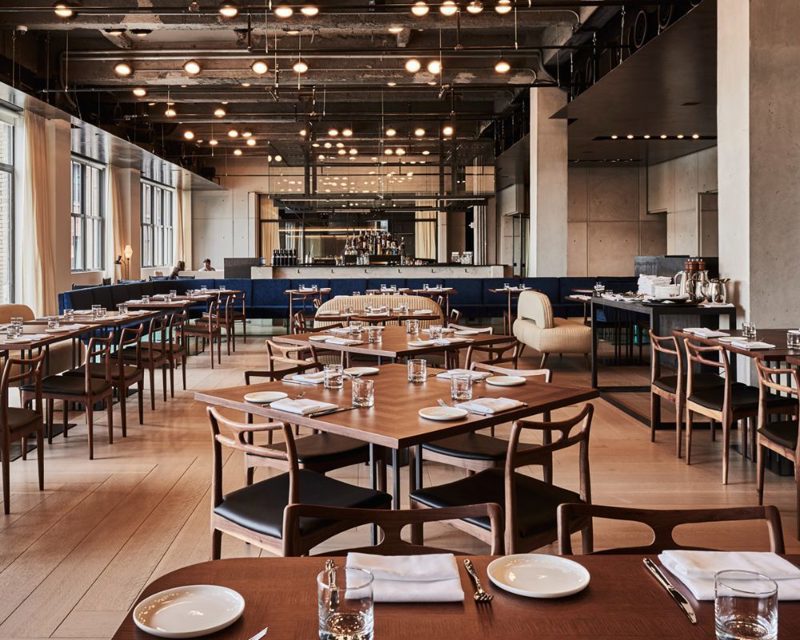
Will this have any impact on dining in the future?
With more and more private restaurants popping up, you may be wondering whether the face of dining will start to change forever. The answer to that is probably yes and no. On the one hand, you're not suddenly going to have to pay a membership fee for anywhere you wish to eat in the future. However, there's a chance that high-end restaurants may start to adopt such practices in the future. There are already restaurants like Verõnika and Casa Cruz, which give an idea of what this would look like. Both are open to the public, but one offers priority reservation privileges to members, and the other has exclusive spaces that only members can access. If you're someone that enjoys fine dining, these may well become the norm in the near future.
It's easy to understand the perks of private restaurants, especially for those in the public eye. However, you shouldn't worry too much about FOMO if you can't afford a membership to one of these places. While you might be treated to some luxury, the chances are that the experience won't live up to your expectations.
You May Also Like
 Food
A Beginner's Guide to Stocking a Pantry
 Food
How to Season Food More Confidently
 Food
Knife Skills That Make Cooking Easier