These Are The Vegetables We Should Be Eating Each Week

Eating vegetables is something that we should all be doing regularly. These foods form part of a healthy diet, providing us with the nutrients needed to keep our bodies functioning efficiently. However, while all vegetables might be good for us, that doesn't mean they all have the same impact.
The nutrients that you get in these foods often differ, which is why it's so important to have a variety in your meals. If you're not sure what you should be eating to benefit your body the most, we're here to help. These are the vegetables we should be eating each week to ensure our nutrient intake is nice and balanced.
Green peas are apparently bursting with nutritional value
People tend to look to meat products for a source of protein. However, you can find this in certain vegetables, such as green peas. An excellent alternative for any vegans out there, this protein boost is just the tip of the iceberg of what this food can provide. Green peas are apparently also brimming with fibrous content, vitamin C, iron, magnesium, and potassium. They're evidently one of the healthiest foods on the planet, so they're definitely worth including in your meals more often.
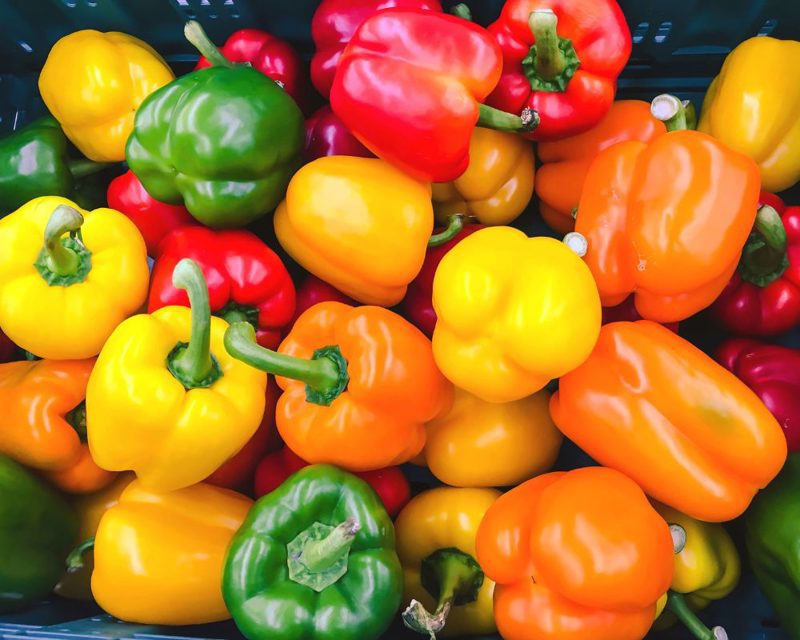
Bell peppers are great to turn to for vitamin C and carotenoids
When people think of nutrients, one that often comes to mind is vitamin C. It's very common to find in vegetables, although some are better at providing it than others. Bell peppers are one food that is high in this stuff, which can apparently help with skin repair, iron absorption, and improving your immune function. Moreover, bell peppers are also good to eat if you wish to improve your intake of carotenoids. These can lower the chances of developing issues like cardiovascular disease and cancer, so they're definitely worthwhile.
Onions are brimming with antioxidants, particularly in the outer layers
Onions are a vegetable that you absolutely shouldn't shy away from using in your weekly meals. Along with being low in calories, this food has plenty of potassium and vitamin C to keep you in good health. It's also full of antioxidants, although the concentration of these reportedly diminishes with each layer. So, be sure not to peel your onions too much when you prepare them. Furthermore, there's the potential that the presence of quercetin may reduce your blood pressure and help with heart health. However, the jury's still out on this.
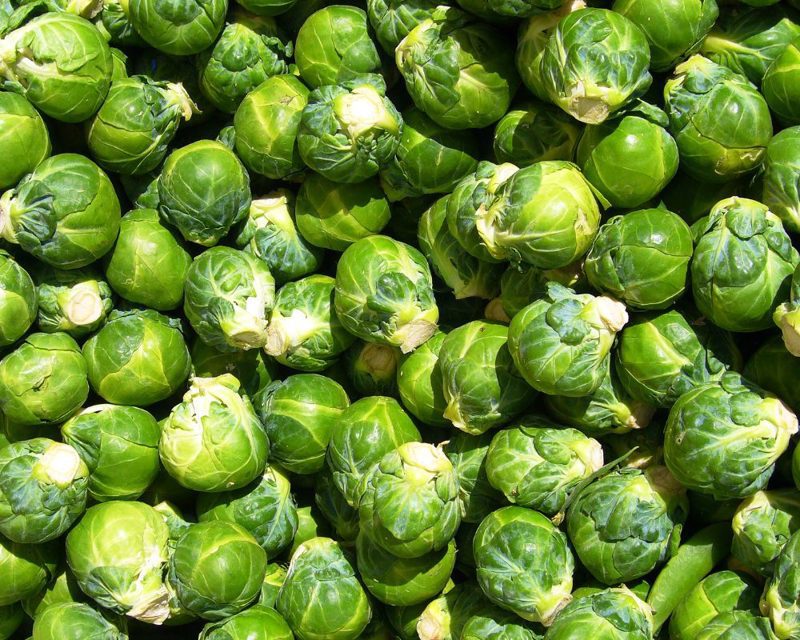
Brussel sprouts are one of the best vegetables for vitamin K
Brussels sprouts tend to have a bad reputation with a lot of people. However, this hatred is undeserved, given all the good this food can apparently do for you. Reportedly rich in vitamin K, a regular dose of this vegetable can apparently improve your bone health and blood clotting ability. Furthermore, they're one of the best sources of vitamin C, with a cup of them apparently enough to hit 100% of your recommended daily intake. They're an excellent food to look to for fibrous content as well.
Arugula helps support DNA production, making it ideal when pregnant
Anyone who is pregnant or looking to be might be interested in adding more arugula to their meals. This stuff is reportedly an excellent source of folate, which supports DNA production and is, therefore, good when expecting. Arugula is also very high in vitamin C, with the leafy green acting as a source of calcium, magnesium, and potassium too. It could potentially even lower the risk of developing certain cancers, given the presence of glucosinolates.
Carrots can do a lot of good for your vision
Another vegetable that could help you to keep cancer at bay is carrots. According to a journal from 2020, colorectal cancer may be less likely in those who eat this food regularly. That's not the only reason that carrots should be a regular ingredient in your meals, though. This stuff also contains beta-carotene, which can do a ton of good for eye health and overall vision. While they won't quite give you pure night vision as the myth goes, they should still help you to see a lot better.
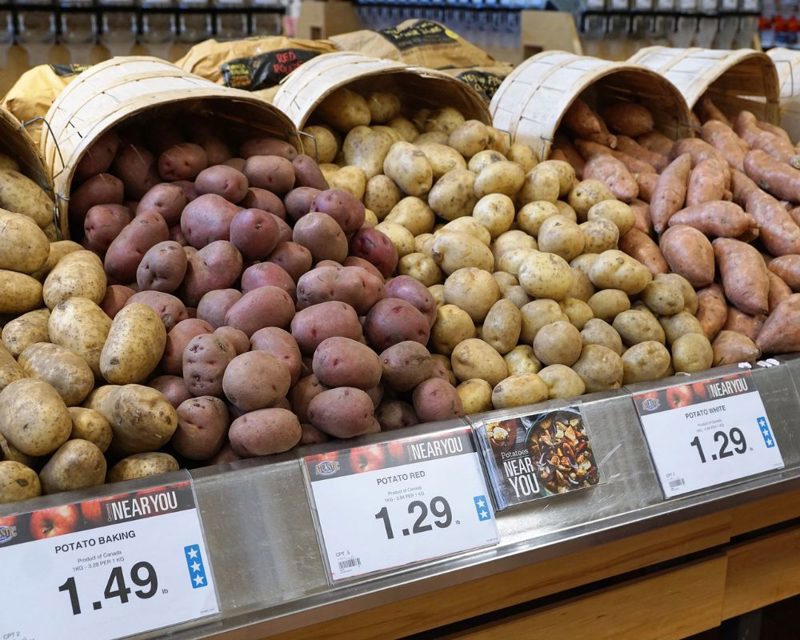
Potatoes can potentially lower your blood pressure because of their potassium
People sometimes try to avoid potatoes because they're carbohydrates. However, it's important to remember that carbs can be good for you, especially when they contain the benefits that this food does. Full of fiber and vitamin C, potatoes can definitely do your body a ton of good. What's more, they're reportedly one of the best sources of potassium, meaning they can potentially be good for lowering your blood pressure. That's especially the case if you have a lot of sodium in your diet.
If you're eating any vegetables every week, then you're doing your body a ton of good. However, if you want to make sure that you're looking after yourself properly, it's worth ensuring that some of the foods we've listed are included in those meals. That way, you can guarantee that your body is reaping the benefits of eating healthy.
You May Also Like
 Food
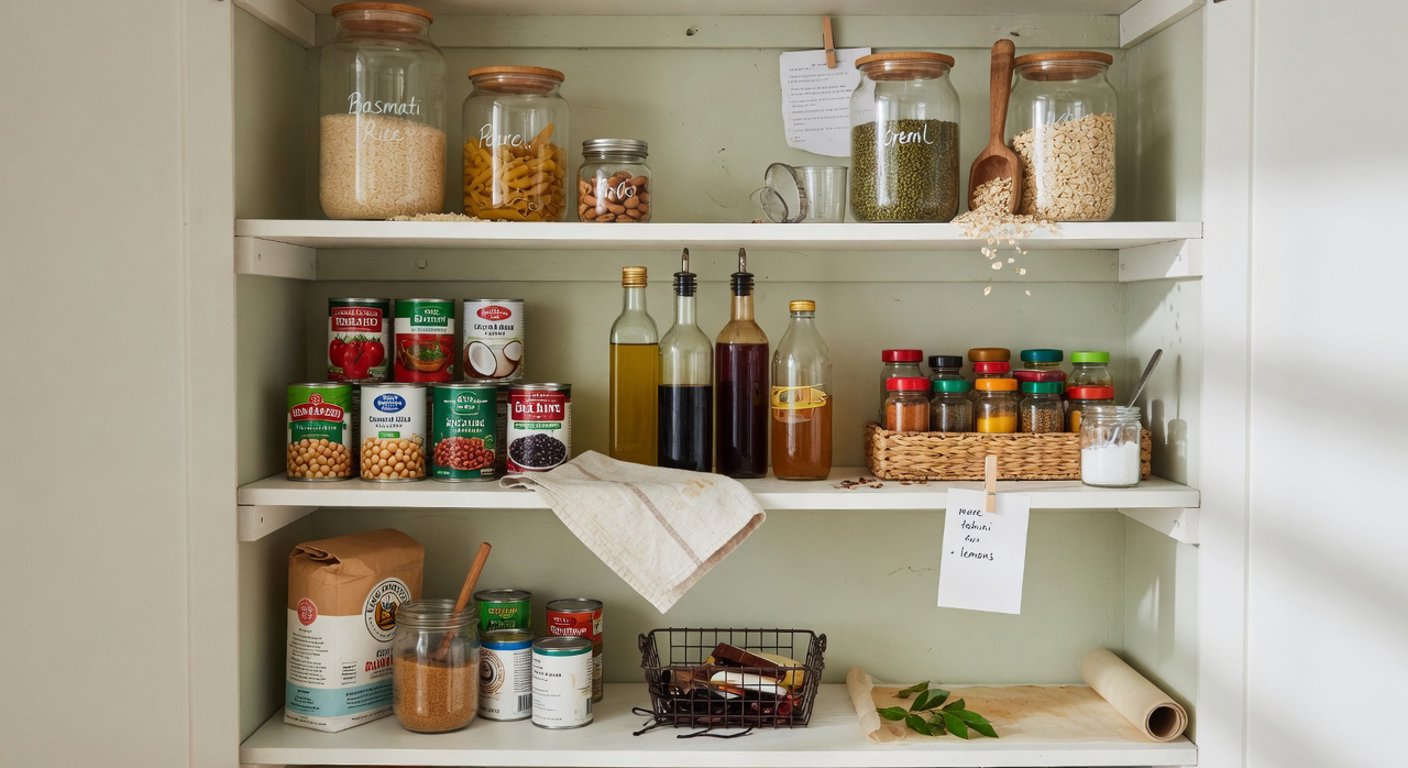
A Beginner's Guide to Stocking a Pantry
 Food
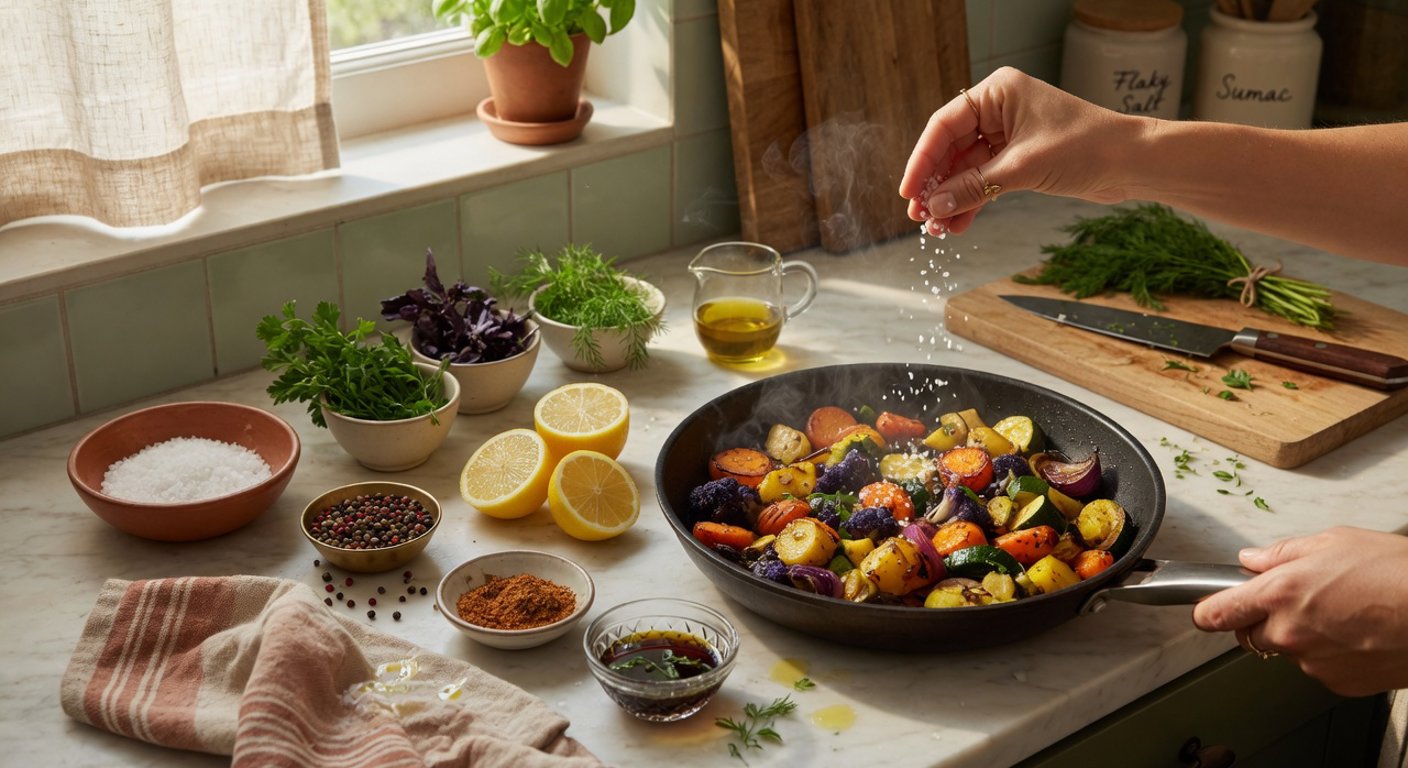
How to Season Food More Confidently
 Food
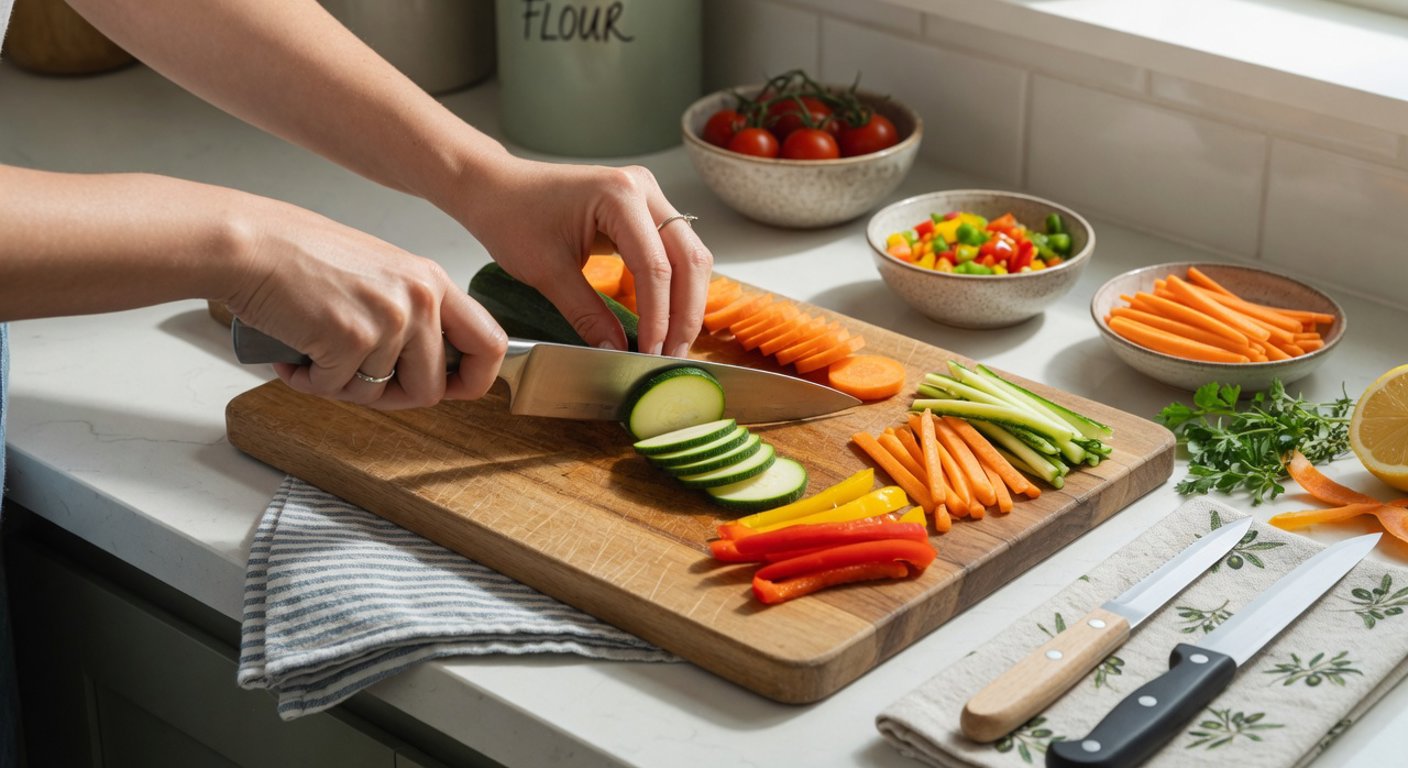
Knife Skills That Make Cooking Easier