How Popcorn Became The Grain To Dominate The World

What good is a movie night without popcorn? This stuff has been associated with films for decades now, and we don't see that changing anytime soon. Sure, it's not everyone's snack of choice when they hit the movie theater or enjoy a cozy night in. However, there's no denying that after all these years, it's still a hot favorite.
It turns out that there's actually quite a history to popcorn, one that extends back to long before movies even existed. Understanding how popcorn became the grain to dominate the world may explain why so many people can't resist eating it when they watch a good film.
The history of popcorn stems back thousands of years
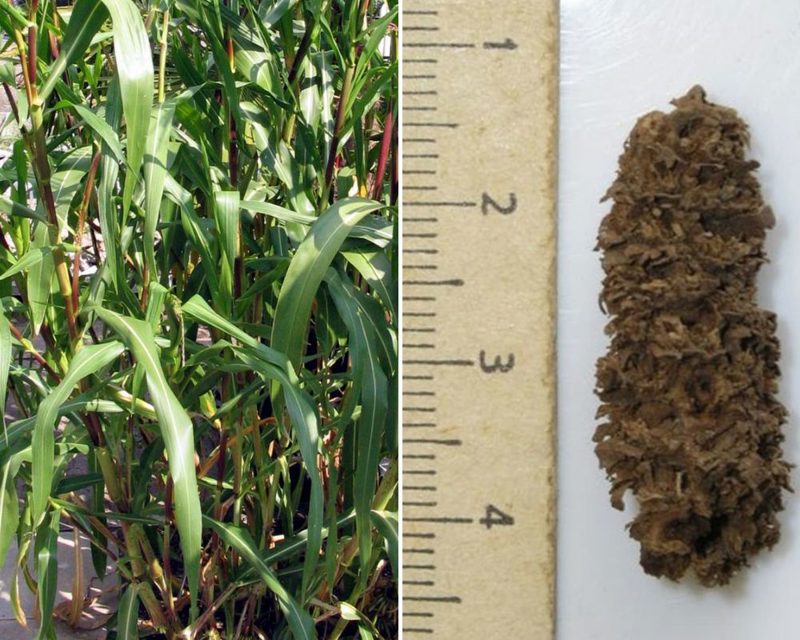
Popcorn has probably been around in some form for 9,000 years, according to Mexico's National Institute of Anthropology and History. However, it was originally a wild grass known as teosinte. The earliest evidence we have that better resembles today's corn is supposedly a little younger at 6,700 years old. It seems archaeologists previously found ancient corn cobs studded with these puffed kernels in 2012. Back in the day, it supposedly didn't take long for this treat to become popular, likely thanks to their nutrition, versatility, and ease of preparation. Soon enough, popcorn was reportedly grown all across the Americas, with the snack apparently becoming an essential part of food culture.
The 1800s was a time of significance for the growth and preparation of popcorn
As the cultivation of corn continued, different strains led to different types of corn being produced. Things really kicked up a notch in the 19th century following the development of the steel plow. With this, Midwestern states saw a significant development in their agriculture, with popcorn becoming one of their most prominent crops. It was apparently nicknamed "prairie gold" because it made farmers so much money. It was also during this century that the preparation of popcorn shifted. Charles Cretors ended up developing a machine that could pop corn in oil, allowing for the selling of popped corn on the move. Not long later, he adapted the machine to salt and butter the popcorn, a move that had a major impact.
The Great Depression may have helped popcorn to become a hit movie snack
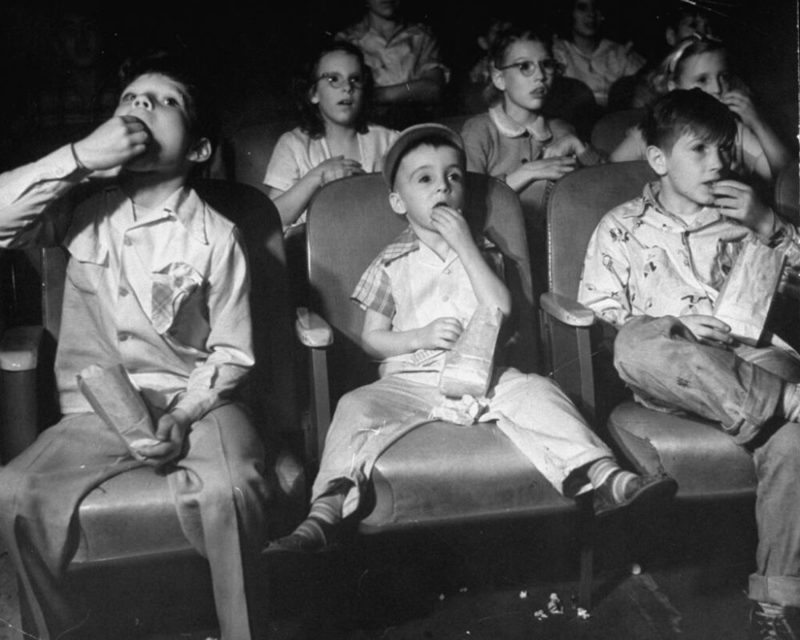
Over the next few decades, other inventors found ways to improve the commercial viability of popcorn. For instance, James T. Nvoods helped to ensure the preservation of this food with a machine that coated the treat in sugar syrup. Developments like this meant that by the time thousands of movie theaters opened in the 1920s, popcorn vendors were ready to win over moviegoers. Initially, the theaters were reluctant to embrace them. However, when the Great Depression hit, these places risked closing down if they didn't find a way to stay afloat. What about renting out space to vendors to sell food and drink? With popcorn so affordable for the masses during this time, it became the go-to snack at the movies.
Several factors have affected the popularity of popcorn at the movies
There are plenty of stories of people making big money during the Great Depression, thanks to the popularity of popcorn at movie theaters. Regardless of how true they all are, though, it's clear that popcorn and films became a winning combination. Theaters ended up selling their own refreshments because of their evident popularity, something that still stands today. However, it's not necessarily at the movies that most people enjoy popcorn anymore. Not only has theater attendance dropped significantly over the last century, but concession prices have increased to make up for that. With some places reportedly selling popcorn at a markup of 1,500%, the price is too much for many to justify. However, that doesn't mean people have lost the taste for popcorn altogether.
Several notable developments have maintained popcorn's popularity
People don't have to go to the movies if they want to enjoy popcorn. After the success of this snack in theaters, it was only a matter of time before someone aimed to make it a firm favorite at home. The increasing popularity of television reportedly prompted this, as did the prevalence of microwaves. In 1981, the first microwavable popcorn was apparently released, and it was an instant hit. Within years, it was supposedly a national treasure and generated millions in sales. Since then, it's seen several notable developments. Orville Redenbacher was apparently responsible for one of the biggest, as his efforts in creating kernels helped popcorn to grow to 40 times its starting size. It effectively revolutionized the industry, much like the development of ready-to-eat popcorn. With consumers no longer having to do anything to prepare this treat, it's continued to be a huge hit.
Given how long popcorn has been around, it's incredible that it has managed to remain so relevant. That's likely down to the continuing ability to adapt to the needs of consumers. If it weren't for microwavable or ready-to-eat popcorn, this stuff probably would have become old news. Instead, it remains as beloved as it's pretty much always been.
You May Also Like
 Food
A Beginner's Guide to Stocking a Pantry
 Food
How to Season Food More Confidently
 Food
Knife Skills That Make Cooking Easier