A Deep Dive Into The History Of Soy Milk

Plenty of people still have reservations when it comes to soy milk. The white liquid, strained from a bean, has long been on the lips of the food industry and beyond. Although not everyone's cup of tea - or in everyone's cup of tea - soy milk has made a name for itself in its own right. Still, the world remains divided on whether it is a good idea to drink soy milk.
Whether consumed for its nutritional benefits or because of lactose intolerance, the reasons behind choosing the white drink as an alternative can vary. Taking a deep dive into the history of soy milk may surprise some, especially as the milk substitute has been around for much longer than some are aware of.
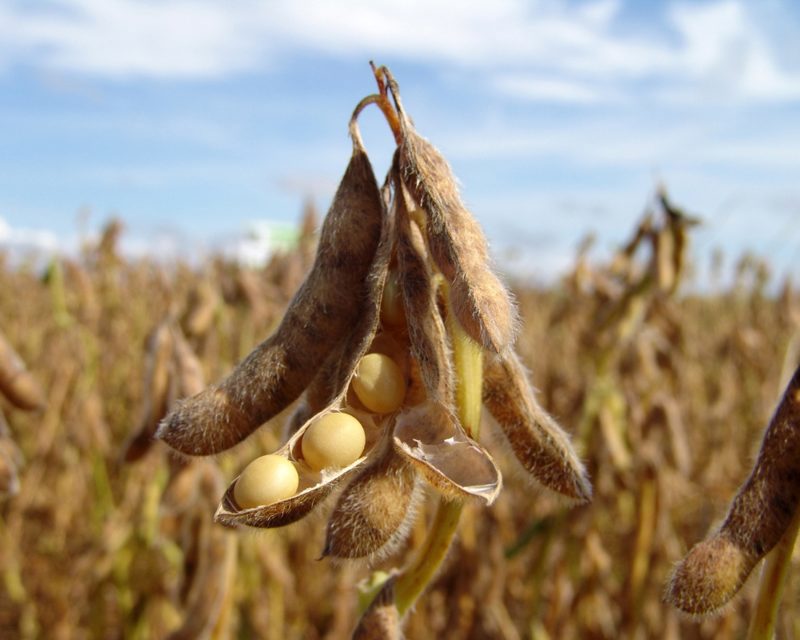
Soybean cultivation dates as far back as 5500 years ago
That's right! For a long time, people have been benefiting from the wonders of soy. Soybeans were grown mainly in East Asia and have had numerous uses for thousands of years. However, Tofu and Soy sauce are just some things that can be created using this wonderful bean. Although it didn't play a significant role in their diets, it is recorded in ancient Chinese tradition. Soy milk was often used as a condiment or drink during breakfast, used as a sweetened drink or dipping sauce. However, most of the time it was just known as the liquid state before molding Tofu.
Soy milk was used to strengthen troops and babies
It wasn't long before people discovered that soy milk would make an excellent substitute for lactose-intolerant people. The discovery helped aid in the making of the first soy milk baby formula in 1909. Soon after, soldiers would also have options for soy milk in their diet when receiving their rations on the battlefield. In 1917, J.A. Chard Soy Products started commercially producing soy milk products in the United States. In 1931 Maddison foods in Tennessee was the first to fortify the white liquid with calcium, making it an equal competitor with conventional milk. By 1936, a company in China started infusing soy milk with flavors like chocolate. Their plans were foiled when a Japanese bomb blew up the factory.
Soy milk enjoyed increasing popularity in the East long before the West
Japan started producing milk commercially and selling it in bottles in the 1950s. This saw growing popularity, and new manufacturers began to see opportunities to do the same. By the ‘60s, several different soy milk manufacturers were selling it as a soft drink, and adverts for soy milk started making the rounds. By 1966, the enzyme that gives soybeans their "nutty" or "beany" taste was discovered, and efforts to mask its flavor in soft drinks had begun. It was only a year later that soy milk was being packed aseptically. This meant that the lifespan was much longer and could be stored for up to six months.
Business started booming for soy milk producers in the U.S.
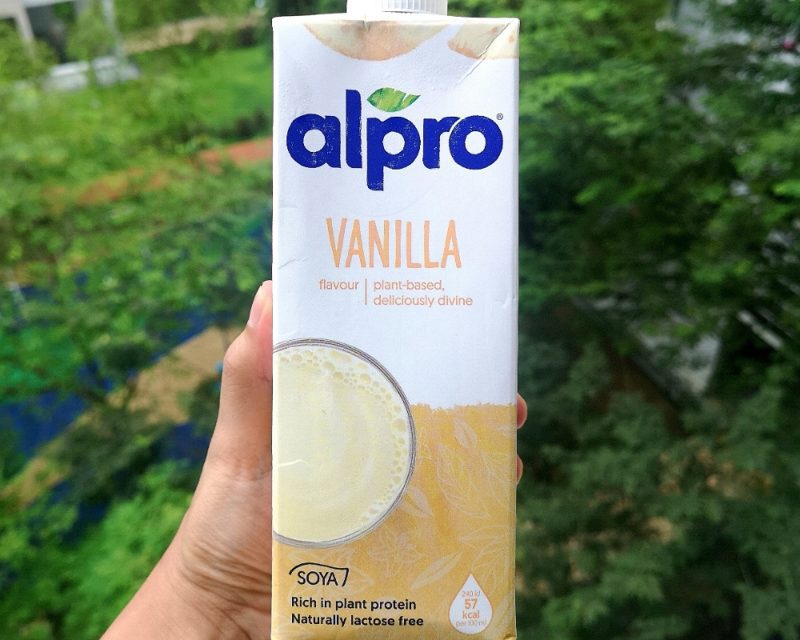
By the mid-’80s and early ‘90s, the popularity of soy milk had stretched worldwide, reaching the United States. By the ‘90s, massive corporations known today as the leaders of producing bean milk had started investing in the alternative milk business. By June 1990, Alpro had become Europe's biggest soy milk producer, making almost 10 million gallons of the stuff a year. And by the mid-’90s, many studies had researched the benefits and statistics of soy milk in the U.S., discovering that soy milk profits had risen over $108 million.
Love it or hate it, soy milk has made a lasting impression on history. From humble beginnings to immense popularity, the history of soy milk will always fascinate and keep scientists busy. Some see soy milk as a healthy alternative, while others still claim that cow's milk is the best.
You May Also Like
 Food
A Beginner's Guide to Stocking a Pantry
 Food
How to Season Food More Confidently
 Food
Knife Skills That Make Cooking Easier