Experts Share Everything To Know About Disordered Eating

The friend who announces they need to go to the gym before dinner. The coworker who is obsessed with tracking their food on their new app. The loved one who has decided to cut out carbs. While they’re things plenty of us are used to hearing, it turns out they might be doing more harm to the population than many realize.
In fact, they could all be signs of disordered eating that have somehow become a part of our everyday lives. Now, experts share everything there is to know about disordered eating in the hopes of shedding light on the issue once and for all.
What does disordered eating mean?
Disordered eating is a little different from an eating disorder. According to weight-inclusive dietician and counselor Chelsea Levy, disordered eating falls “somewhere in between” of people eating what they like - within reason - without thinking about it to those who are obsessed over everything they put in their bodies. Like most things, there is no one-size-fits-all when it comes to disordered eating. Instead, those living with the condition tend to find themselves somewhere along that scale.
What are the symptoms of disordered eating?
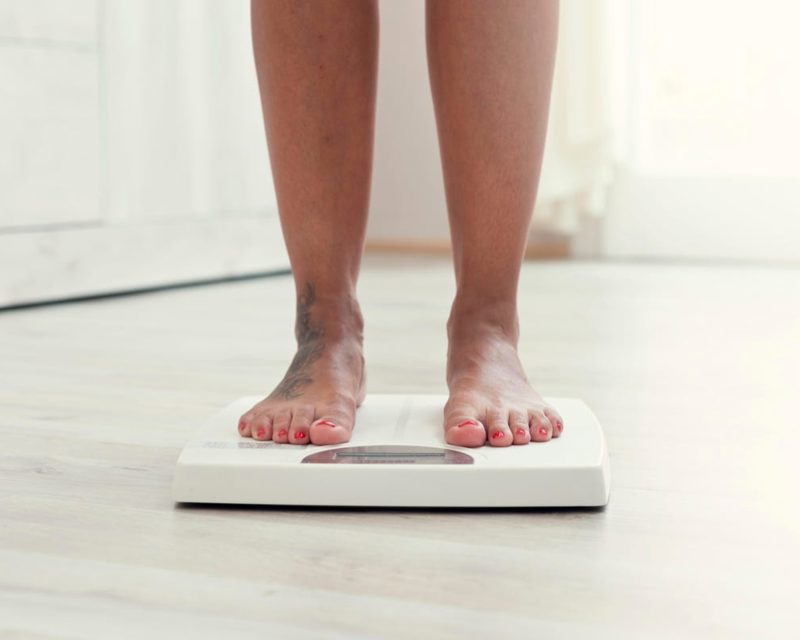
There are plenty of things that can be signs of disordered eating, with some people exhibiting them all and others only showing a few. The most common symptoms include eliminating entire food groups and exercising before or after meals. There are also feelings of anxiety or guilt that can follow eating, deliberately restricting or skipping meals, and opting for certain “clean” foods. Others have also been known to obsessively track their food, eat incredibly slowly, lose weight too fast, or weigh themselves regularly. Of course, there can also be further signs that someone is living with disordered eating.
Can fad diets lead to disordered eating?
For years, fad diets have dominated the world. These are the ones that claim people can lose a ton of weight without really trying or by redistricting themselves so much for a short period of time. They tend to become incredibly popular and have seen the industry become worth billions of dollars. The problem? Eating disorder therapist Rebecca Eyre claims that fad diets “doubles your risk of an eating disorder” and “It’s really dangerous to toy with that.” Rebecca adds that some studies show that most people gain over 50% of any weight they lose within two years of starting their diet, leading to yo-yo dieting.
Who is at risk of disordered eating?
Like most things, anyone is at risk of developing disordered eating. Still, certain aspects can make it tougher for someone to reach out for help. Those with high BMIs, men, and people of color tend to put off getting help. The same goes for members of the LGBTQ community. Amazingly, it’s believed that only 6% of people with disordered eating are underweight, with many having no idea that those who are deemed to be overweight could be living with disordered eating.
Why is disordered eating so common?
There are plenty of reasons that disordered eating is so common. One of the main things is how the weight loss industry has taken over the world and grown into a billion-dollar industry. Another is the use of social media, with influencers often promoting their diets, exercise regimes, and habits that help them to lose weight. Another thing plenty of people have experienced is the fear of being overweight. This, in turn, can lead to disordered eating as people attempt to do anything they can to avoid gaining weight.

How can we recover from disordered eating?
Just because someone is living with disordered eating doesn’t mean it has to be that way forever. One of the best ways to help repair someone’s relationship with food is to talk to a healthcare professional, dietician, therapist, or physician about getting help. These are often the best people to help us understand why we feel a certain way and why we think we have to do certain things whenever we eat. Rebecca Eyre also suggests using online tools to research how we can help ourselves from home if we don’t want to reach out to a professional just yet.
Disordered eating is something that thousands of people deal with across the world. Still, that doesn’t mean we should be used to the feelings and behaviors that eating can sometimes trigger. Instead, learning everything there is to know about disordered eating could be the first step toward making a change.
You May Also Like
 Food
A Beginner's Guide to Stocking a Pantry
 Food
How to Season Food More Confidently
 Food
Knife Skills That Make Cooking Easier