The Things To Avoid While Kneading Dough
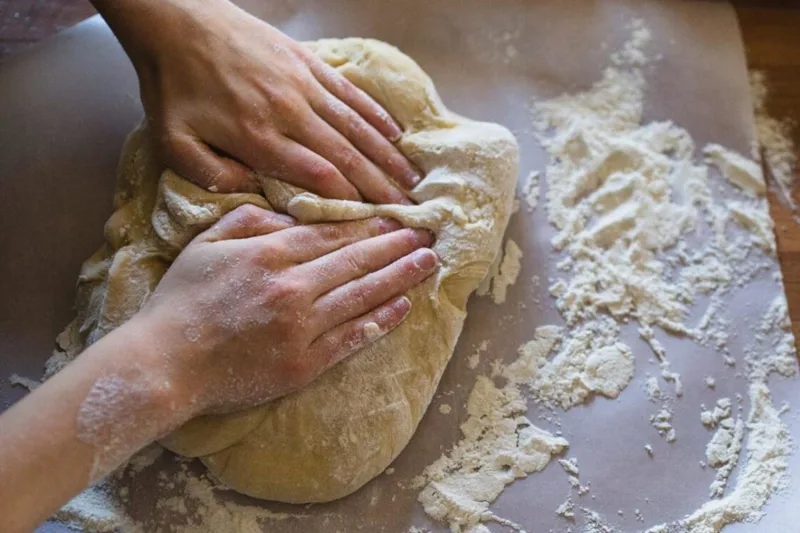
Whether you're a home baker looking to take your skills to the next level or you've spent years trying to perfect your talents and don't know where you're going wrong, there are plenty of ways we can all learn a thing or two about cooking. One of the many on the list is none other than making dough. After all, it's the basis for a host of recipes and meals and is one of the best key skills to learn.
So what about the things to avoid while kneading dough? While many of us might have been strictly sticking to the things we should be doing, it can be easy to do the things we shouldn't without realizing it. Thankfully, it usually doesn't take much to take a simple dough recipe and turn it into something incredible.
Over-kneading the dough leads to dense bakes
It can be tempting to think we need to knead our dough as much as possible to get the best bread we've ever made. However, over-kneading can be one of the biggest mistakes bakers make while kneading dough. It's best to check your dough periodically while kneading to ensure you've not overdone it; one of the best ways to do this is the windowpane test. Grab a small section of dough and stretch it out between your pointer finger and thumb. If it's good to go, your dough will stretch nice and thin, and you should be able to see light without any tears.
Under-kneading dough means it won't hold its shape
Much like over-kneading dough, under-kneading dough is a common mistake people make. Using the windowpane method is a great way to see the state of your dough, and you'll know if it needs more kneading, if it won't stretch or if your dough tears while trying to stretch it out. Still, that doesn't necessarily mean we need to go straight back into kneading. Instead, try letting your dough rest for a while before kneading again to keep the balance. If not, you could find your dough doesn't hold its shape and is floppy.
Dough that's too dry and wet can easily be reversed
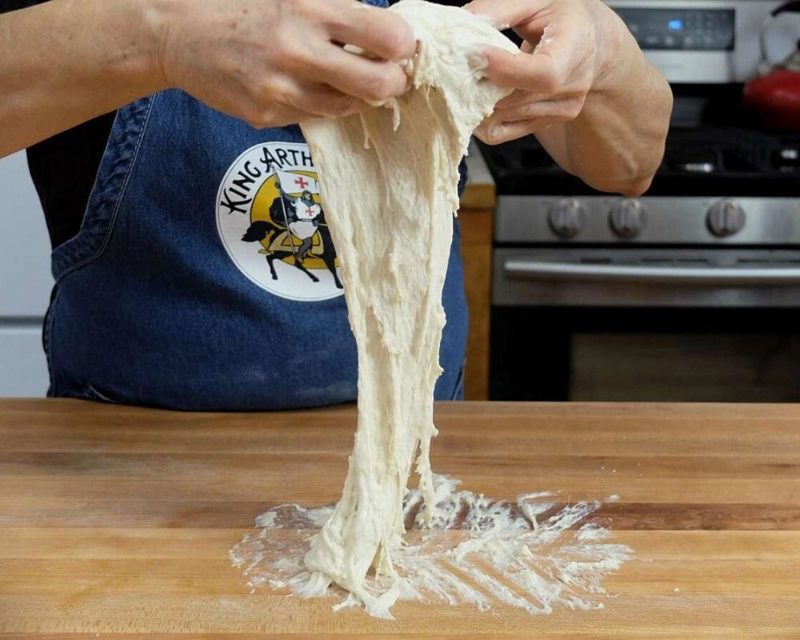
Have you ever been halfway through kneading your dough only to find out it's so wet it sticks to everything or so dry that it won't comfortably knead as you like? Thankfully, it doesn't mean you have to start from scratch. Instead, you merely need to have a few ingredients on hand. If your dough is too wet, simply sprinkle some flour over your countertop and continue to knead as normal. If it's too dry, try kneading it for a couple of minutes to see if the moisture is merely trapped in the middle. If the dough still doesn't give in, add one tablespoon of water at a time until it's the consistency you need.
Dough needs to be rested before and after kneading
Plenty of bakers likely know the importance of leaving your dough to rest once it's been needed. Did you know it needs to be rested beforehand, too? That's right; it means the gluten naturally relaxes in the mixture before you get to work. If the recipe doesn't specify a time to rest the dough before kneading, allow at least 20 or 30 minutes. If the dough still feels tough, it needs longer to rest before kneading.
Don't add extras too early to the mixture
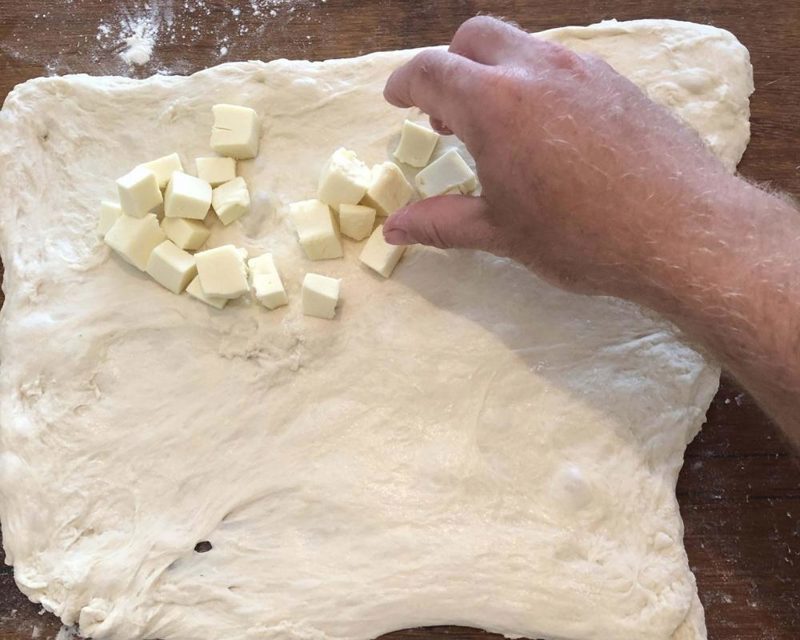
Plenty of dough recipes allow us to add all kinds of ingredients to the mixture. Nuts, olives, and dried fruit are all popular choices, but when should we add them to the mix? The answer is when all the kneading is done. Once your dough is good to go, simply add your ingredients and add for at least one minute more. Adding the ingredients too early can be enough to change the moisture levels of the mixture and make things more complicated in the long run.
Learning all the things to avoid while kneading dough doesn't have to be tough, but it can make the difference between a delicious offering and one that needs a little work. Thankfully, there are also plenty of tips to ensure you don't end up making the same mistakes going forward.
You May Also Like
 Food
A Beginner's Guide to Stocking a Pantry
 Food
How to Season Food More Confidently
 Food
Knife Skills That Make Cooking Easier