What's The Difference Between Whole-Wheat And Whole-Grain Bread?

When you’re trying to adopt a healthier lifestyle, one of the best things you can do is to switch up what you eat. This doesn’t necessarily mean ditching everything that you’ve been enjoying up to this point. However, if there are healthier versions of what you’ve been eating, switching to these can make a big difference.
Bread is one of the best things for this, with white bread not as good for you as some of the other options out there. Although some people might prefer to stop eating this food altogether, this isn’t necessary if you’re a fan of toast or sandwiches. You simply need to give up the white stuff for one of the healthier varieties. Still, many have found themselves asking the same question: what’s the difference between whole-wheat and whole-grain bread?
Each layer of a grain serves its purpose when it comes to bread
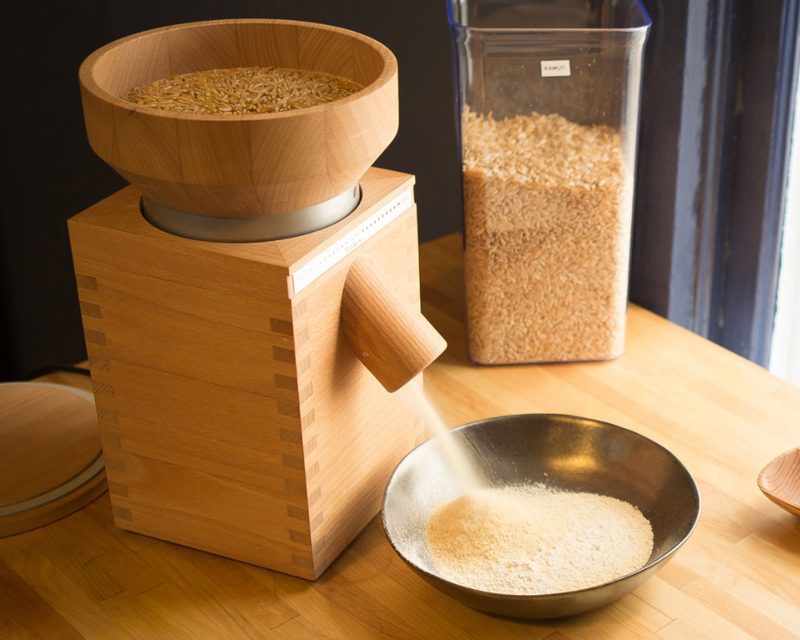
To understand which is the better option to go for, we first need to look at what happens when bread is made. Grains are taken and processed into flour, with these either refined or left whole. The former is what leads to white bread, while the latter is how you get whole-wheat and whole-grain varieties. As this process doesn’t break down the anatomy of the grains, the flour retains the various elements that do your body good. This includes the outer bran layer - which is fibrous and full of antioxidants - and the inner germ layer - which has a lot of B vitamins, phytochemicals, and healthy fats. It also includes the carbohydrate-rich endosperm layer, which is the only layer retained during refinement. That’s why white bread isn’t as good for you: it loses the layers that have the healthiest parts.
Whole-wheat bread is essentially just a specific type of whole-grain bread
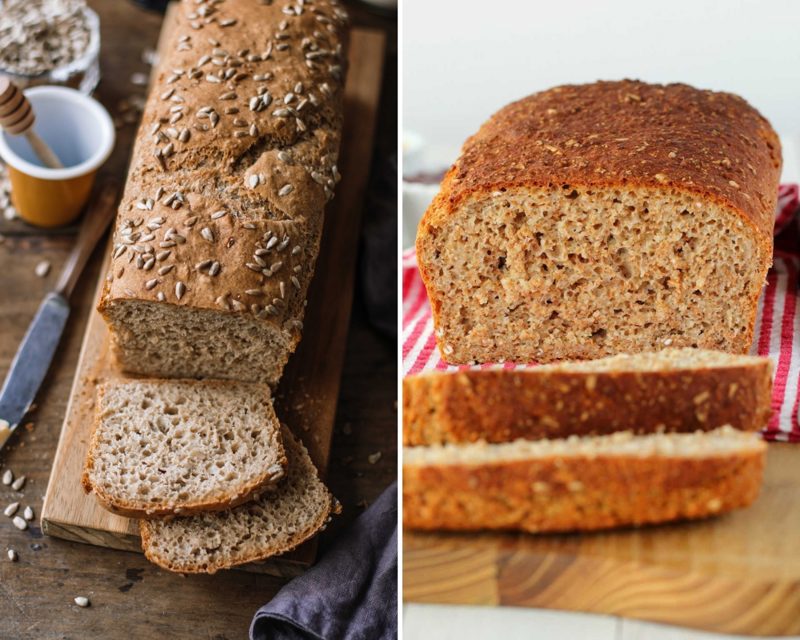
This explains what sets apart white bread from whole-grain bread, but what about whole-wheat bread? Well, the main thing to know is that whole-wheat bread is essentially the same thing as whole-grain bread. However, while the latter utilizes all manner of grains, the former only has one specific grain - wheat. So, if you buy the whole-grain variety from the grocery store, what you’re eating could contain buckwheat, barley, oats, brown rice, and more. Meanwhile, whole-wheat will solely contain wheat, meaning much more consistency with nutritional value. As each type of grain has its own nutritional value, one loaf of whole-grain bread might be healthier than the one next to it. If you don’t want to spend time comparing different breads on the shelf, opting for the whole-wheat loaf might be the wisest choice.
When you go grocery shopping, there’s no need to stress because you picked up whole-grain instead of whole-wheat bread or vice versa. Both should be good for you; it’s just that one may sometimes be better than the other. As long as what’s in your basket is actually whole-grain or whole-wheat, and you haven’t simply bought a white loaf with oats on top, everything should be fine.
You May Also Like
 Food
A Beginner's Guide to Stocking a Pantry
 Food
How to Season Food More Confidently
 Food
Knife Skills That Make Cooking Easier