Everything To Know About Hibiscus Drinks Enjoyed In The African Diaspora
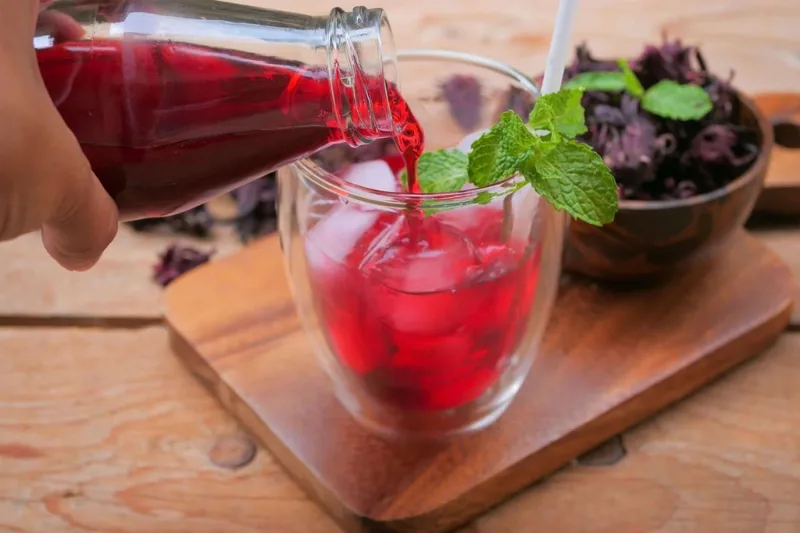
When we talk about hibiscus drinks, those in the African diaspora will likely know what we’re referring to. These sorts of beverages are common among this population group and enjoyed in many different parts of the world. Of course, because the African diaspora is so well dispersed, you end up with varying takes on the same hibiscus drinks.
How are these beverages created, though? Are there any benefits to them? What prompted them to become a staple of the African diaspora in the first place? If the concept of hibiscus drinks isn’t something you’re familiar with, you may well have questions like this. That’s why it’s worth learning everything to know about hibiscus drinks enjoyed in the African diaspora.
Hibiscus drinks come in various names and forms but always start with the same plant
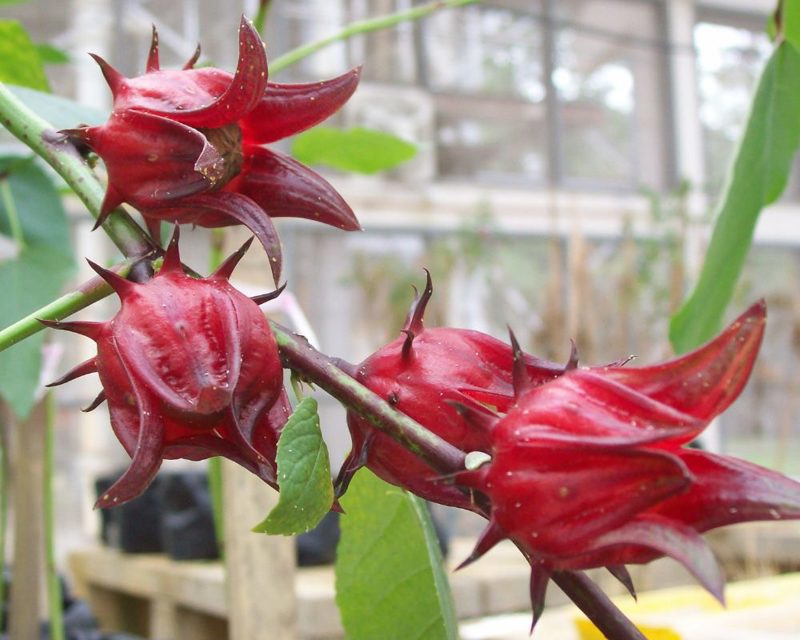
Depending on where you are, hibiscus drinks might be known by a variety of names. Sorrel, the most beloved of these beverages, might be referred to as zobo in Nigeria or agua de Jamaica in parts of Latin America. Whatever name it goes by, though, these drinks all seem to start the same. That is with roselle, or the hibiscus sabdariffa, which apparently flourishes in continental Africa. The calyx of this plant is harvested, divested of seeds, and steeped to create a flavorful beverage. Some might then add a sweetener to the drink, while others brew it with spices or citrus. There are plenty who even give it a kick by adding a dash of something more adult.
The growth of hibiscus drinks in the African diaspora was tied to African enslavement
The history of hibiscus drinks has unfortunate ties with the enslavement of the African people in the 1500s. When people were transported across the Atlantic, livestock and plants apparently came with them. The plants, which included hibiscus, had the benefits of keeping people and animals fed and relatively healthy on the trip overseas. Once the boats reached their destination, those transferred to climates comparable to West Africa were able to take those plants and produce more. Places like the Caribbean and the American South saw growth in these hibiscus plants, which served as a reminder of home for those enslaved. Nowadays, hibiscus drinks offer a connection to the past for those in the African diaspora.
Hibiscus drinks reportedly have health properties that have been celebrated for centuries
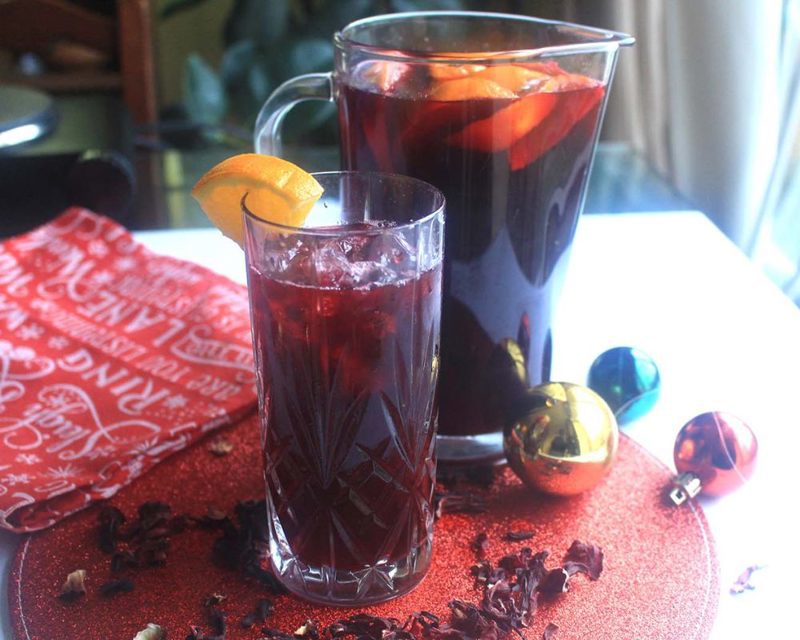
Hibiscus drinks aren’t simply enjoyed because they taste great and have a connection to the past. One of the reasons they’ve endured for centuries relates to their reported health benefits, thanks to the presence of antioxidants, vitamin C, and other nutrients. Some even allege that these drinks can improve eyesight, strengthen the immune system, and slow the aging process. The plants were supposedly largely viewed as medicinal when they were first brought over from Africa. So, the continued interest in them as a healthy beverage makes a lot of sense. They seemingly nourish the body and raise the spirits, and really, what more could you ask for out of a drink?
Whether consumed on a daily basis or enjoyed as a part of certain celebrations, hibiscus drinks are evidently beloved in the African diaspora. Having been such a staple for centuries now, we don’t see that ever changing.
You May Also Like
 Food
A Beginner's Guide to Stocking a Pantry
 Food
How to Season Food More Confidently
 Food
Knife Skills That Make Cooking Easier