Travel Around The World By Different Dumplings
There is something so special about biting into the perfect dumpling. The dough mixed with the delicious filling is a taste like no other in the world, but did you know how many different nations and cultures have dumplings in their arsenal? That’s right; they might be a larger part of other people’s cuisines than many of us ever realized.
In fact, it wouldn’t be tough to travel around the world, tasting all the different dumplings along the way. No one really knows how they started. Plus, dumplings can come in all shapes and forms depending on where you are in the world. So how does everyone prepare and enjoy their dumpling offerings?
Chinese dumplings are likely the first
If you’re looking for the origins of dumplings, look no further than China. They have been a part of the scene since the beginning and were likely the ones who invented the dish. That means that dumplings of all shapes and sizes can now be found across the nation, each with its own cooking method and filling. From sweet to savory, fried to steamed, tapioca to rice flour, there is no end to the number of dumplings. However, each is filled with its own delicious offering and usually appear in soup or alongside something they can be dipped into to enjoy them at their best.
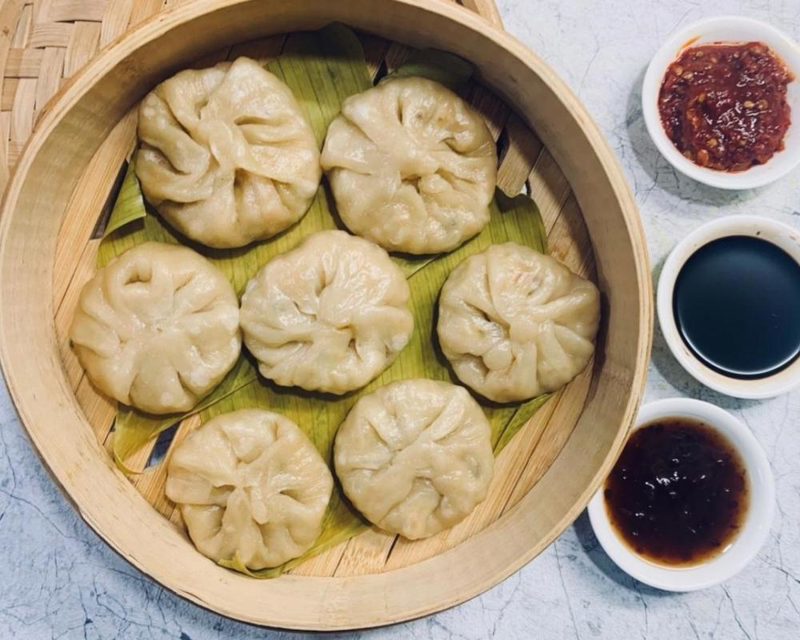
Momo dumplings are thicker than others around the world
If you travel to Nepal and Tibet, you’ll find another dumpling in the form of momos. These tend to be thicker than dumplings found in China and usually have richer fillings, such as yak and beef that’s seasoned with various peppercorns. To top things off, momos usually don’t have vegetables. They’re often fried or steamed before they’re served alongside a chicken broth, tomato hot sauce, or chili sauce for an extra hit of heat.
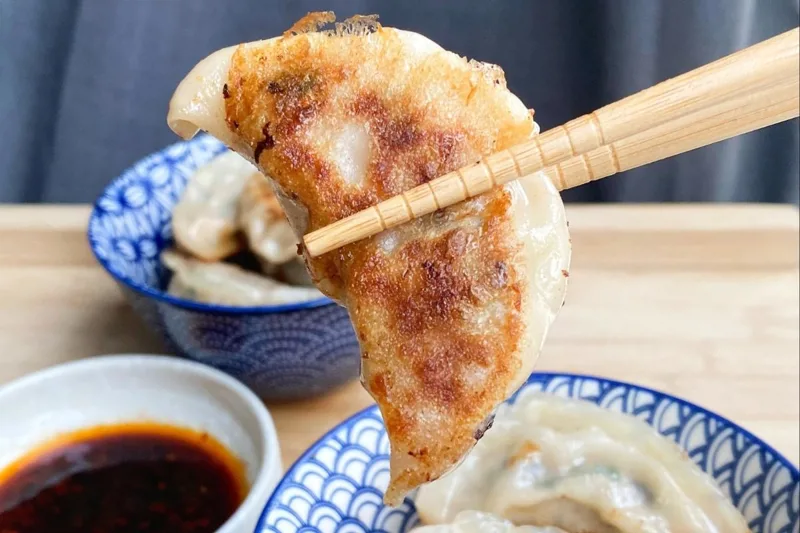
Japanese dumplings come with a much thinner dough
We don’t need to travel that far within Asia to find all kinds of dumplings on offer, such as gyoza, the Japanese take on it all. Although they’re similar to Chinese dumplings, gyozas are usually filled with pork and garlic and come in very thin dough. They’re normally cooked by getting steamed with water before getting pan-fried until they’re nice and crisp on top and served alongside ramen dishes.
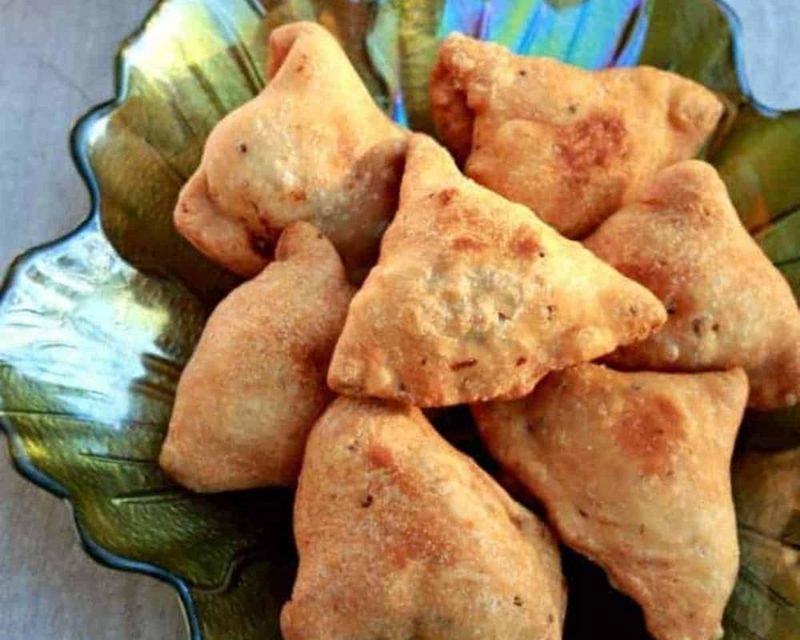
Samosas have often been compared to dumplings
Even though plenty of people associate samosas with India, they’re also a part of South Asia and Middle Eastern culture, too. Here, they have quickly become the pastry version of dumplings that get pan-fried or deep-fried for the ultimate crunch. Samosas have a host of typical fillings, which usually contain a combination of ground lamb or beef, potatoes, lentils, and vegetables before they’re dipped in sauces and chutneys for extra flavor.
Poland has its own version of winter dumplings
We need to travel all the way across to Europe to find Poland’s version of dumplings, pierogies. They are wheat flour dumplings that get boiled and then fried or baked, meaning they’re usually pretty crispy. Pierogies are also filled with fruit, meat, sauerkraut, or potato and shaped into crescents as they offer up the perfect winter warmer meal.
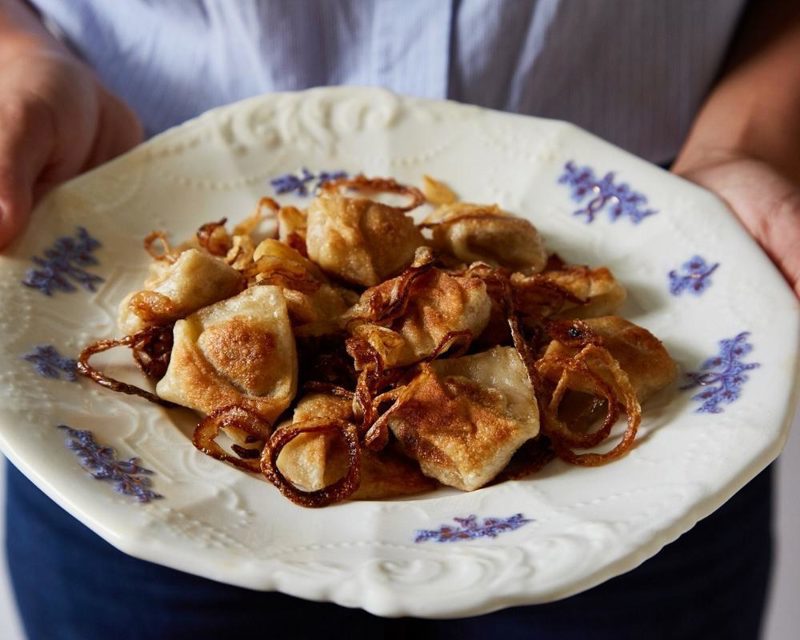
Kreplach is a form of Jewish dumplings filled with meat or potatoes
If you want something to accompany a hot broth, you might need to get your hands on some Jewish dumplings known as kreplach. They are usually served in a hot chicken broth after being deep-fried to ensure they’re nice and crisp. As for the filling, kreplach is stuffed with either meat or potatoes and are typically thick and chewy as the dough has been enriched with egg, much like pasta.
Dumplings are something many of us enjoy every day without putting too much thought into it all. Still, it turns out there is a lot more to this dish than meets the eye, especially as several cultures have all put their own spin on dumplings throughout the centuries.
You May Also Like
 Food
A Beginner's Guide to Stocking a Pantry
 Food
How to Season Food More Confidently
 Food
Knife Skills That Make Cooking Easier