A Deep Dive Into The History Of The Avocado

Avocados are all the rage nowadays and have been for a while now. While the stereotype that all millennials are obsessed with them might not be wholly accurate, there’s no denying there’s a lot of love for this food. How much do we actually know about avocados, though?
We’re not necessarily talking about what’s in them but rather the history of this fruit. Given how suddenly they became popular, you might think they only started existing relatively recently. However, the truth is that avocados have actually been around since ancient times. In fact, they may well be one of the oldest fruits in history.
Large ancient mammals apparently used to eat avocados whole
It’s believed that avocados first originated in Mexico, although the country itself didn’t exist at the time that the fruit started growing. It certainly became hugely popular in this part of the world far in the past, with locals allegedly eating them almost 10,000 years ago now. However, the fruit supposedly goes even further back than that, with avocados allegedly relying on ancient animals to help them propagate and thrive. These large mammals - which are now extinct - could supposedly consume the entire fruit whole, giant pit and all. Although this part of an avocado can apparently be quite toxic, these animals had no trouble chowing down on them and passing them through their digestive system. Legend has it that by the time the seeds left their bodies, they were ready to sprout in new locations.
Indigenous people believed that avocados contained mythological powers
Eventually, these mammals decreased in numbers while humans started to populate the area. While that could have been bad news for avocados - which had supposedly so far relied on those animals - it turned out not to be much of an issue. It reportedly ended up becoming a celebrated food by Indigenous people like those of ancient Mesoamerica. The belief was allegedly that this fruit contained mythological powers, with people convinced that eating avocados could grant them greater strength. So, they naturally consumed as many as possible. We can’t say that we’ve ever found ourselves with muscles like Popeye’s after a slice of avocado toast. However, as this fruit is full of nutrients and “good” fats, the sustenance it provided may well have left these ancient tribes feeling stronger than usual.
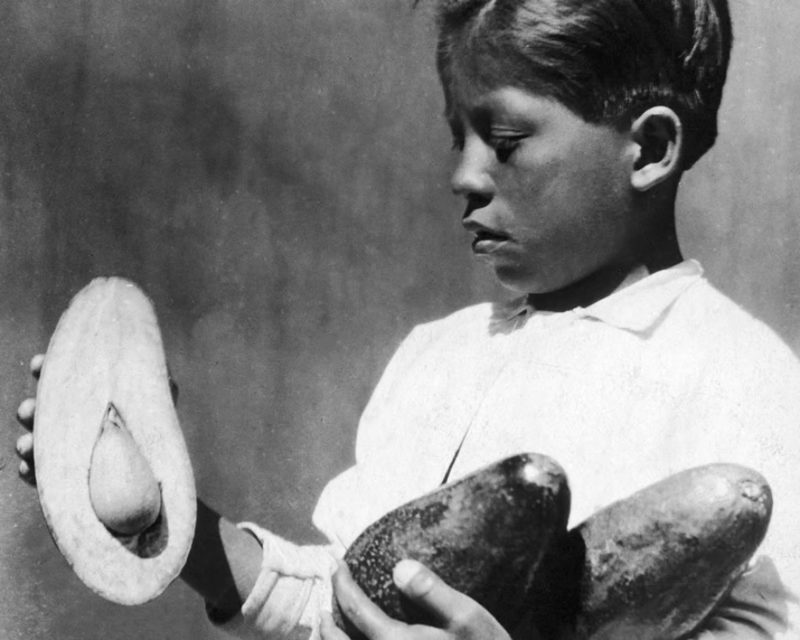
Spanish explorers brought avocados back with them to Europe
While avocados have been popular in this part of the world for thousands of years, it’s seemingly a different story in many other places. For instance, it took time for the fruit to spread to other regions of Central and South America, finally doing so by the 16th century. It was also around this time that Europeans began to embrace avocados, thanks to Spanish explorers reportedly discovering them in the 1500s. They brought the fruit back with them across the Atlantic and soon started exporting them to other nations throughout the continent. Just as they had done in the Americas, people developed a taste for the food, allowing it to spread to many different parts of the world. However, the love that Europeans had for it was still no match for those in Mexico.
It’s taken time for avocados to make their mark in the US
As the United States is much younger than many other parts of the world, our relationship with avocados doesn’t extend back quite as much. However, it was only a matter of decades after the US gained independence that avocados came our way. They reportedly arrived in the 1830s and quickly established popularity in places like California, Hawaii, and Florida. Unfortunately, while the food was relatively celebrated in these states, it was many more years before the wider nation embraced avocados. Apparently, that was due to concerns about the fruit being an aphrodisiac, with many people consequently afraid to eat them until around the 1950s. Avocados also experienced a period of hatred in the 1980s, thanks to the desire to avoid foods high in fat. Fortunately, things eventually changed when people realized that not all fats are bad.
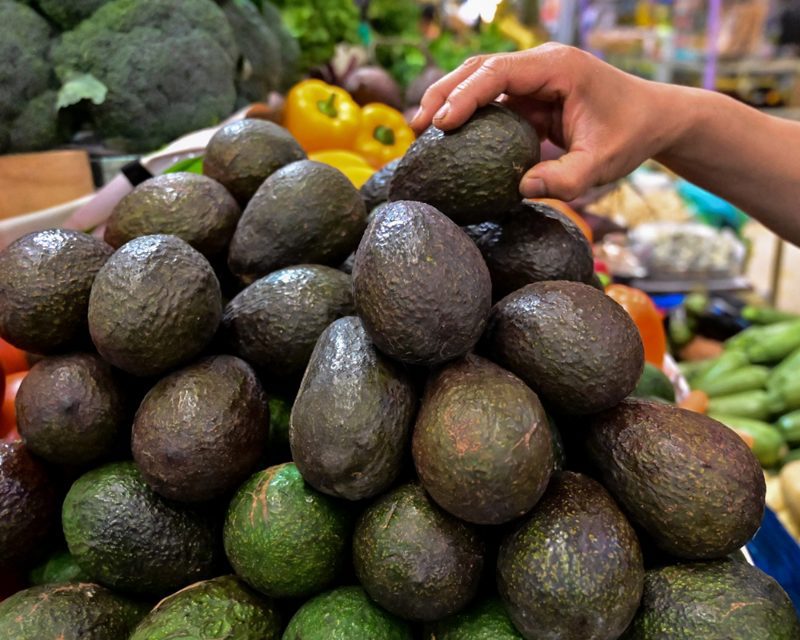
The appearance of avocados has influenced their names over the years
The notion of avocados being aphrodisiacs may stem from the Aztecs, who reportedly believed that the fruit could help with fertility. The fact that their name for the food also relates to a certain part of a man’s body certainly indicates an association with intimacy. Of course, their decision to call it this might simply have been tied to the shape of avocados. It’s hardly the only time that people have given this fruit a name based on its appearance. For years, people apparently called it an “alligator pear.” Although this was allegedly due to the misinterpretation of “avocado pear,” the texture of the fruit’s skin meant the term stuck. It wasn’t until the 1900s that this reportedly changed.
You don’t need to know all about the origins of avocados to eat them. However, it’s good to know where they come from and realize that people have been enjoying them for much longer than we thought.
You May Also Like
 Food
A Beginner's Guide to Stocking a Pantry
 Food
How to Season Food More Confidently
 Food
Knife Skills That Make Cooking Easier