The History Of Pulque AKA The Drink Of The Gods
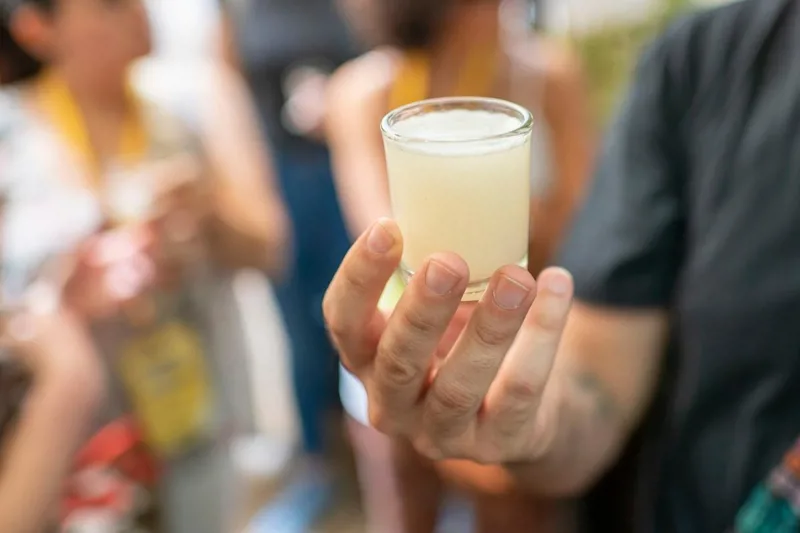
Every country you visit in the world has its own delicacies. These foods and drinks are a staple of the local culture and have typically been a part of the region's history far longer than any of the current citizens have been alive. That's certainly the case with pulque, a drink that some consider "the heart of Mexico."
Often referred to as "the drink of the Gods," it's an absolute must if you're ever in the country. Not only is it a refreshing and curious beverage, but it also has a rich, intriguing history. The more you learn about this, the more you learn about the country's culture, which we'd say is never a bad thing.
Pulque is zingy with the consistency of kombucha and the smell of fresh dough
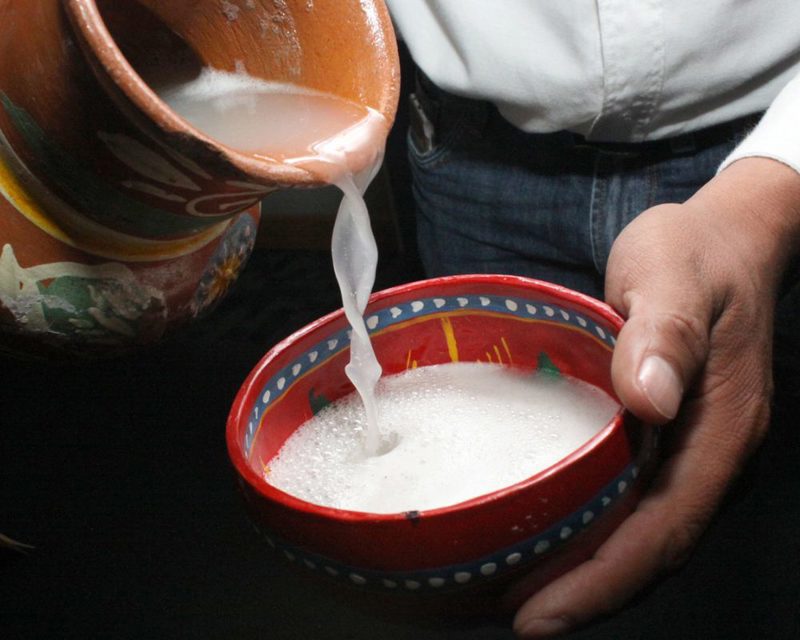
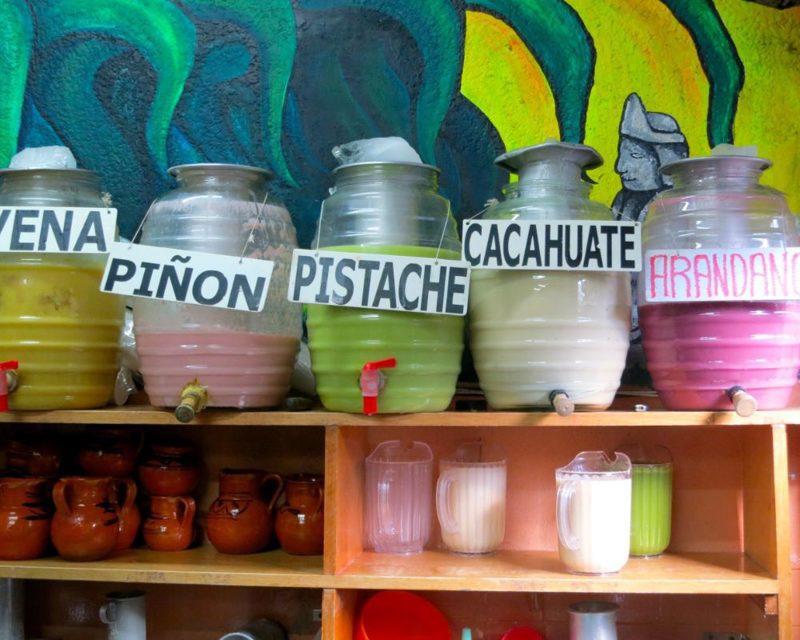
Visiting Mexico without knowing about pulque probably isn't the smartest thing to do. After all, if someone offers you a glass, it helps to know in advance if it's something you'll actually enjoy or not. To those familiar with kombucha, pulque has a similar consistency but with a zing to it. Natural pulque generally looks milky but fizzy and a little viscous with a slight smell akin to fresh dough in the oven. Curado - or flavored - versions have the same texture but come in different colors, depending on what you go for. It's also worth noting that pulque is an adult beverage, so if that's not your thing, you'll want to give it a miss.
Pulque is best served fresh, which is why it's most popular in central Mexico
The plant used to make pulque is the same as several other popular adult drinks. Apparently, the heart of a mature agave is removed, leaving a cavity that can then be scraped. This prompts the flow of sap, which is then collected and naturally fermented. The process is surprisingly quick, only requiring a few hours before it's ready to serve. This makes it best to drink fresh, which is why pulque is so popular in central Mexico and not so much in other parts of the world. It simply doesn't travel well, so if you're eager to try out "the drink of the Gods," a visit to Mexico is in order.
Pulque supposedly started as a drink from the gods before helping the local economy to boom
The history of pulque is consequently intertwined with the history of Mexico because it doesn't travel well. Scientists claim there's evidence that this beverage has been around since 200 CE, with the drink's origins tied to Mayahuel, the goddess of the maguey (agave.) She supposedly gifted it to the Aztecs, supposedly resulting in Quetzalcoatl fleeing. Pulque was apparently a sacred drink for priests and gods before the fall of the Aztecs, which is when the locals finally got a taste. This reportedly proved influential on the economy, thanks to increased production and consumption of the beverage. Unfortunately, it eventually became a forbidden drink when the colonial era happened.
The history of pulque shows that the drink thrived after the colonial era
Supposedly, pulque wasn't good for the indigenous people. That's certainly the story that the Spanish Crown allegedly spun during that era, resulting in a ban on production. They claimed that it was responsible for health and social issues, as well as criticizing its reported connection to non-Christian religions. Fortunately, this ban was apparently lifted in 1786, after which it became a beloved beverage once again. Some considered it medicine; others valued it as an essential part of the local culture. The best thing about it, though, was how much of a moneymaker it was, especially in a developing world. At least, that was until after the Mexican Revolution when an increase in foreign investment saw pulque pitted against other adult drinks and not always coming out on top.
Efforts to ruin pulque were unsuccessful as it's still a beloved drink today
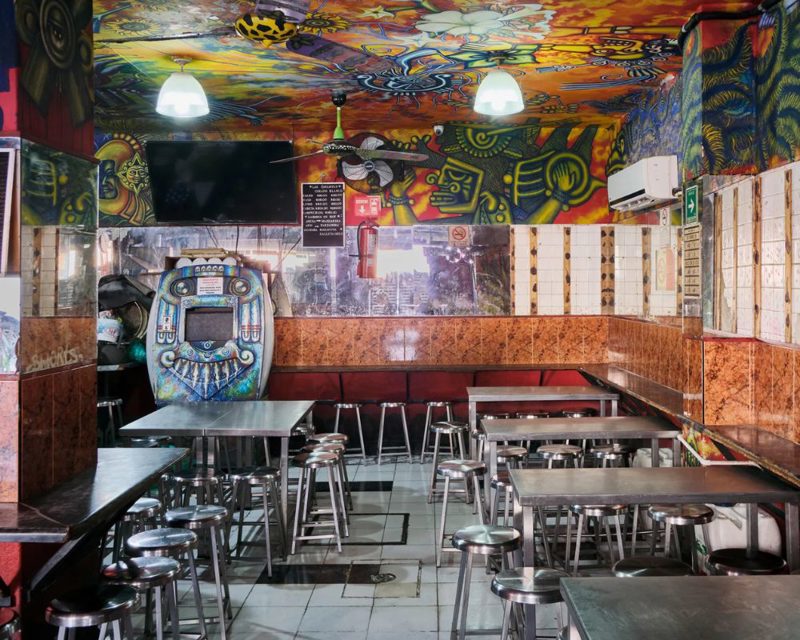
As aggressive marketing tried to convince consumers that pulque was an unhygienic drink suitable only for low-class citizens, sales suffered. Still, despite the tactics other companies used to get their beverages on top, pulque didn't just crash and burn. It persisted, with the drink eventually having a great resurgence in modern times. Nowadays, it's considered a beloved part of Mexican culture, with people of all ages visiting pulquerias to enjoy a few glasses of the stuff. These establishments center the drink as the focal point of the menu, with the interior design of these locations helping people to immerse themselves even further in the local flavor.
No matter who's come and tried to bring pulque down, it's never really lost its appeal. It's too ingrained in Mexican culture now to ever disappear, so there's no hurry to try it for yourself. Still, there's no point waiting around to try "the drink of the Gods" when it could be precisely what your taste buds need.
You May Also Like
 Food
A Beginner's Guide to Stocking a Pantry
 Food
How to Season Food More Confidently
 Food
Knife Skills That Make Cooking Easier