How Did Spam Win Over The US Restaurant Scene?

Restaurants have shown a willingness to experiment with all kinds of food and make genius meals out of them. Perhaps one of the most surprising ingredients to be taking center stage in professional dishes, though, is Spam. Long gone are the days when this was just a no-fuss dinner alternative; now, it's the delight of paying customers with a refined palate.
When exactly did this happen, though, and how did Spam win over the US restaurant scene? Those are questions that we're eager to uncover the answers to because the last time we checked, this stuff wasn't considered a delicacy. It's always had its fans, but to be seen as a serious contender in restaurants across the nation? That completely caught us by surprise.
The taste of Spam is nostalgic and "homey" for some chefs
The relationship between the US and Spam is now the best part of a century old. It was back in the late 1930s that this foodstuff was introduced, and its purpose was clear - to make dinners easier. With one tagline advertising it as, "Tastes fine, saves time," it's clear that it wasn't made to be a delicacy. Instead, its purpose was to provide a quick and easy alternative at meal times that people would find satisfactory. While it might not have looked to break the boundaries of cooking, though, that doesn't mean this food didn't have an impact. For many who grew up eating Spam, it became a time capsule of their past. Eating this food many years later would prove to be nostalgic and offer a taste that one chef describes as "homey and calming." For that reason, it's easy to see why some professionals have started using it as an ingredient in their dishes.
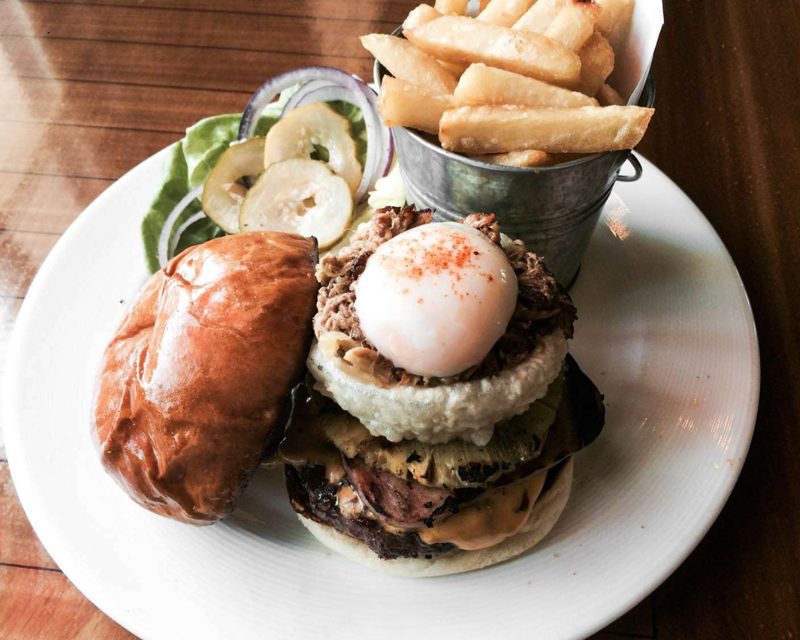
Several chefs who cook with Spam have an emotional connection to it
Cristina Quackenbush, Robert Lam, and Jennifer Yee are all chefs who can relate to this nostalgic feeling that Spam creates. Quackenbush, a Filipino-American who owns Milkfish in New Orleans, considers this "homey" food to be part of her culture. Although she doesn't eat processed food, she admits to having a soft spot for Spam. So much so that she used this ingredient to help create egg-topped fried rice at her restaurant. Lam also shares Quackenbush's claims that Spam can offer "comfort," with this chef using the food with Thai black sticky rice. It's served atop his take on the Loco Moco burger at Butterfly in San Francisco. Yee - who owns Aloha Café in Los Angeles and cooks grilled Spam slices - is very much in the same boat, too, stating that her connection is an "emotional" one. In her eyes, it's something that she associates with her past in Hawaii.
Some people reportedly view Spam as a low-cost mystery meat
Chefs like Quackenbush, Lam, and Yee have all seen success with using Spam in their dishes. However, they've also seen a fair amount of criticism and confusion regarding their use of this ingredient. While plenty of Asian immigrants and Hawaiians seem to connect with the food, others refer to it as "mystery meat" and "a poor man's food." Yee admits to finding people "turned off by it" and says they consider the use of canned meat, in general, to be "weird. However, the chefs refute the notion that they don't know what's in the product and state that it's hardly a low-cost ingredient. According to Robert Lam, Spam typically sets him back as much as beef short ribs do. It's just that people fixate on the fact that it was once an easy dinner alternative, so they assume it's a low-income food.
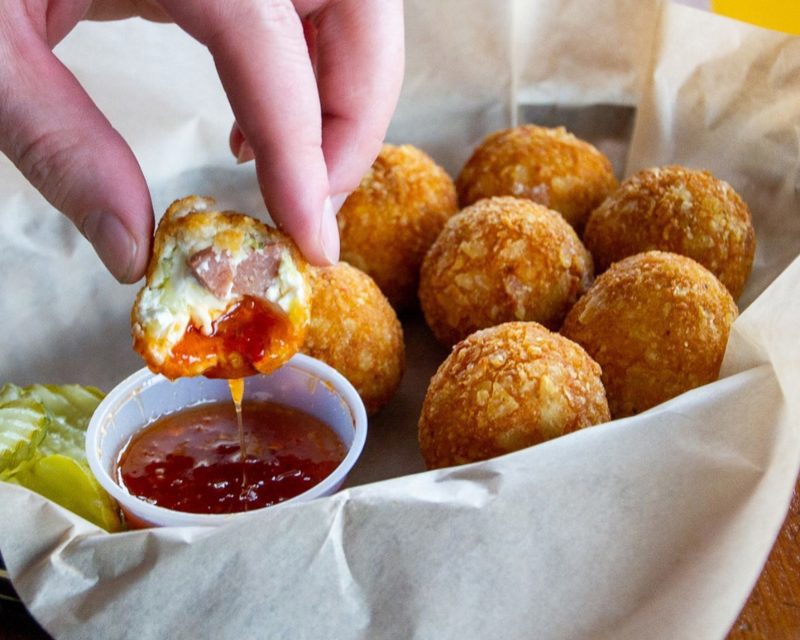
Some parts of the US have seen reasonable popularity with Spam dishes
With Spam being such a divisive ingredient, it's never going to be a winning addition to every plate. One place that's reportedly seen less pushback, though, is Portland, Oregon, which has a reputation for "being different in all kinds of ways." That's what Jonathan Baldari, the manager of Brunch Box, says anyway. At this restaurant, the food is used in some of their most popular burgers, so it's clear that diners aren't against its inclusion. Minnesota has also seen some warm reception to its usage, including at Blue Door Pub. Jeremy Woerner's Spam Bites have reportedly amassed their own fan club that feels this is the "greatest appetizer they've ever had." While Woerner admits that he wouldn't consider this dish to be "a source of pride," it's clear that his creation resonates with plenty of diners. Unfortunately, not everyone is willing to step outside of the box and give this food a try.
Spam might not be the go-to ingredient in every world-class restaurant out there, but it's clear that it's become far more beloved than it used to be. So many chefs have elevated this ingredient by using it in their dishes, and gradually, more diners are learning to give it a chance. If this continues, who knows just how popular Spam could be with people in another five or ten years.
You May Also Like
 Food
A Beginner's Guide to Stocking a Pantry
 Food
How to Season Food More Confidently
 Food
Knife Skills That Make Cooking Easier