The Complicated History Of Tea And Coffee

Coffee and tea are some of the most popular beverages consumed around the world. In fact, they’d probably take the top two spots if it weren’t for water. However, while they might be something that many people turn to, that doesn’t mean we all know the history of these drinks. That’s probably because it’s so complicated.
Apparently, how these two came to be and what led to them being quite so popular isn’t the easiest thing to get your head around. However, just because it’s not as straightforward as it seems doesn’t mean that it’s impossible to understand the history of tea and coffee.
The origins of tea and coffee are rooted in legend
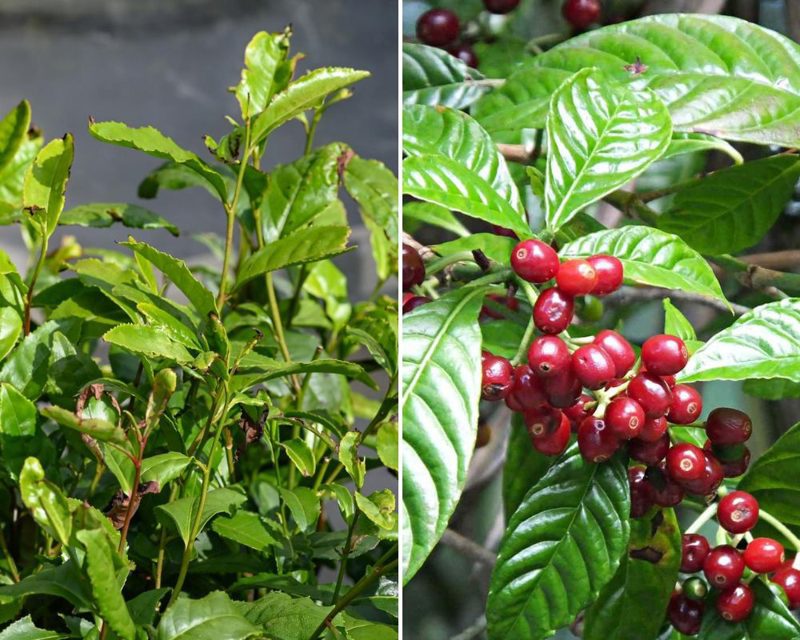
The origins of tea and coffee are a little hard to nail down, given there’s a lot of mythology around their beginnings. Supposedly, tea was discovered around 2732 BCE when Emperor Shennong boiled water beneath a tree, and some leaves blew into the pot. The leaves were apparently from Camellia sinensis, and when the Emperor drank the water, he allegedly found it pleasant and energizing. As for coffee, legend says that Kaldi, an Ethiopian goat herder, discovered it in 850 CE. Supposedly, one of his goats began dancing after eating a berry from a coffea shrub, and when he tried it himself, he felt the stimulating effects we attribute to coffee. While this might not be true, there’s no denying one of the most popular species of coffee plant does come from Ethiopia.
There are some variations in the way coffee and tea are mad
It might seem weird to think of coffee as stemming from berries. However, that is very much the case. Farmers will pick cherries from the coffee plant, which are processed and dried before the fruit part is removed. The beans inside are then roasted at significant temperatures before being ground up. Of course, the process can vary slightly, just as with tea. This drink comes in many different varieties, which is reflected in how they’re produced. For instance, black tea, green tea, white tea, and oolong tea all stem from the same plant. However, after the leaves are crushed, they’re dried out and exposed to oxidation. The length of this process influences the type of tea produced, with white being the shortest, followed by green, oolong, and then black tea.
Tea and coffee both have early links to religion
Today, people from all walks of life drink tea and coffee. However, in the early days of these beverages, religion reportedly played a huge part in their popularity. The tale of Kaldi claims that he brought the cherries to a monastery or mosque, where they were then tossed into a fire. While this might just be a myth, it’s true that Sufis in Yemen were apparently some of the earliest fans of the beverage. Apparently, they found it helped get them through nighttime devotions and prayers. Meanwhile, Buddhist monks were reportedly big tea drinkers in the beginning because the stuff kept their minds clear and helped them with meditation.
Coffee was apparently popular in the Middle East before Europe embraced it
Evidently, a lot has changed since those early days for both beverages. Part of coffee’s popularity may stem from the 16th century when coffeehouses were popular in the Islamic world. With other more adult beverages unavailable, coffee offered something that people could drink together as they discussed all manner of topics. Supposedly, because of its popularity in this part of the world, countries in the West were initially reluctant to embrace this drink. However, by the middle of the 1600s, there were many coffeehouses popping up across Europe. From there, the beverage simply became more beloved to the point that it’s at today.

The British love of tea may have stemmed from Portugal
While tea is popular around the world, it’s a drink that we typically associate with the British. However, it was apparently embraced by other European countries first. For instance, Portugal, which had a direct trade route to China thanks to a colony in Macau. Princess Catherine of Braganza, who later married the British King Charles II, was a fan of the stuff and reportedly set a trend among the upper class. At the time, the drink was too expensive for much of the British population, but when the prices eventually dropped, interest in the beverage boomed. This meant a great demand for tea to be shipped from China, with Britain sending illegal substances to them in return. Unfortunately, issues with addiction led to a war between the two nations, which the British won.
Nowadays, it’s often hard to find someone who doesn’t drink tea or coffee. However, it’s clear that both beverages have come a long way to reach this point of popularity. While we don’t need to know where this stuff came from to enjoy it, it’s always good to be more informed about the things we put into our bodies.
You May Also Like
 Food
A Beginner's Guide to Stocking a Pantry
 Food
How to Season Food More Confidently
 Food
Knife Skills That Make Cooking Easier