How India - Not China - Became The Tea Drinking Nation Of The World

When it comes to nations that are known for drinking tea, India might not be the first country that comes to people’s minds. Maybe it should be. The beverage is basically their national drink, with many Indians reportedly starting the day with a cup of masala chai. It’s basically like how plenty of Americans seek coffee first thing in the morning, just with tea.
Perhaps the reason people don’t see India as a prominent tea-drinking nation is that its popularity here is relatively recent? It was less than a century ago that the people of this country began to adopt it as an essential beverage. What changed to make Indians now some of the biggest tea lovers in the world?
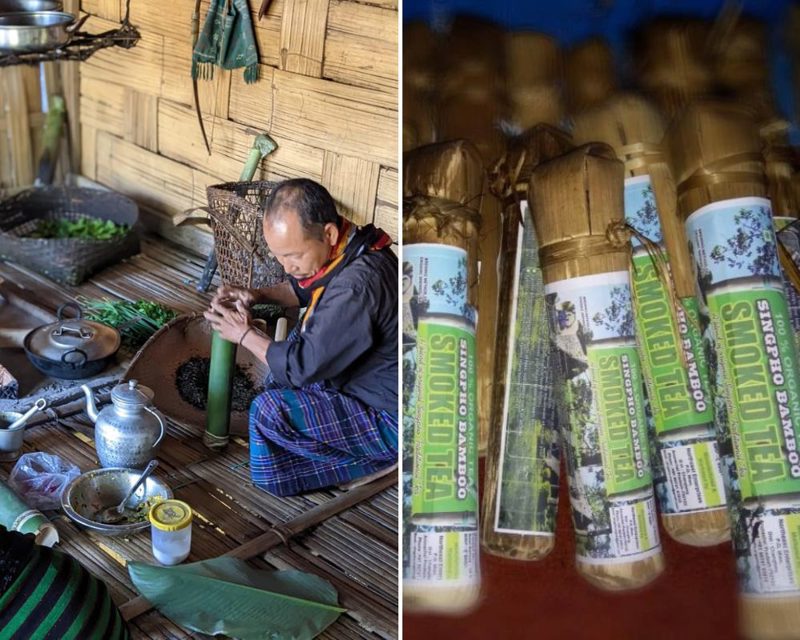
Indigenous groups reportedly drank tea in the 12th century using a special method
It was only decades ago that tea became popular in India. However, that doesn’t mean this drink wasn’t available in the country before then. The beverage actually has roots as far back as the 12th century, when various Indigenous groups apparently enjoyed it. Of course, they didn’t have tea kettles to make this stuff. Instead, they smoked bamboo cane that was packed with dried tea leaves. This is a practice that the people of these groups allegedly still do to this day, though it’s not the norm across India as a whole.
The British turned to India for tea after China stopped providing any
Two countries that are thought of as tea-drinking nations are China and Britain. There was a time when the latter actually sourced their tea supply from the former, but this changed in the 19th century, prompting conflict. By this point, much of the British population loved drinking tea, so they were desperate to find a supply elsewhere. That’s when they turned to Assam, where they realized the Assamese grew their own variety of it. Tea plantations were soon developed in this part of India, with growth pretty rapid. Unfortunately, many locals weren’t that trusting of this and proceeded to revolt.
Indians working on the plantations weren’t actually drinking tea at this point
Although the Assamese weren’t willing to help the British, that doesn’t mean the plantations suddenly ceased production. Instead, migrant workers from other parts of India were brought in to help instead. Unfortunately, poor working conditions led to high mortality rates, which then resulted in further rebellion. It probably didn’t help that many Indians failed to see the benefit of growing all this stuff. After all, at the time, most of them weren’t actually drinking the tea because it was being shipped overseas instead. Those who did drink it were usually the upper class who apparently prepared it like the British, using precise steeping times and adding in milk and sugar.
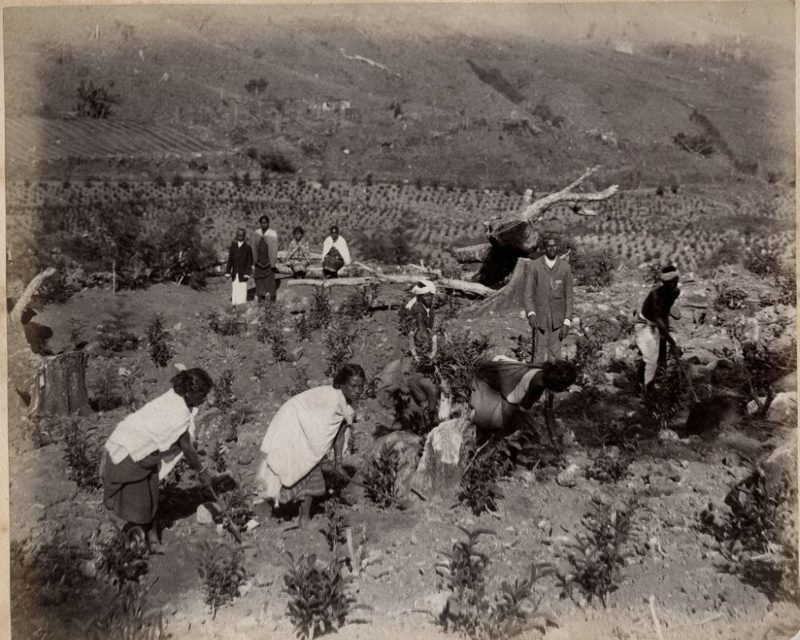
Indian opinion regarding tea was pretty sour until the 20th century
With the plantations apparently proving dangerous for many migrant workers, the feelings toward tea in India started to sour. Some of those who did drink it gave up because they realized the harm this stuff was doing to those sourcing it. Moreover, there were plenty of people who’d never tasted it who simply hated tea for the damage those plantations were doing. That’s why it wasn’t until after the turn of the 20th century that opinions toward this drink grew more positive. That’s apparently because of a depression overseas forcing exporters to focus on the domestic market.
The early 20th century saw increased efforts to sell tea to Indians
With the British suddenly needing the Indians to buy their tea, they started to change the discourse around plantations. Marketing efforts showed these places to be idyllic havens where workers were looked after. Evidently, they seemed to work as the locals started to drink more tea. Come the 1920s and ‘30s, shops started popping up selling the stuff. Then, when the Great Depression occurred, the British doubled down on their marketing, eager to appeal to all Indians in the hopes of generating sales. Focusing on elements like the health benefits certainly helped. However, the rise of the Indian independence movement soon proved something of a roadblock.
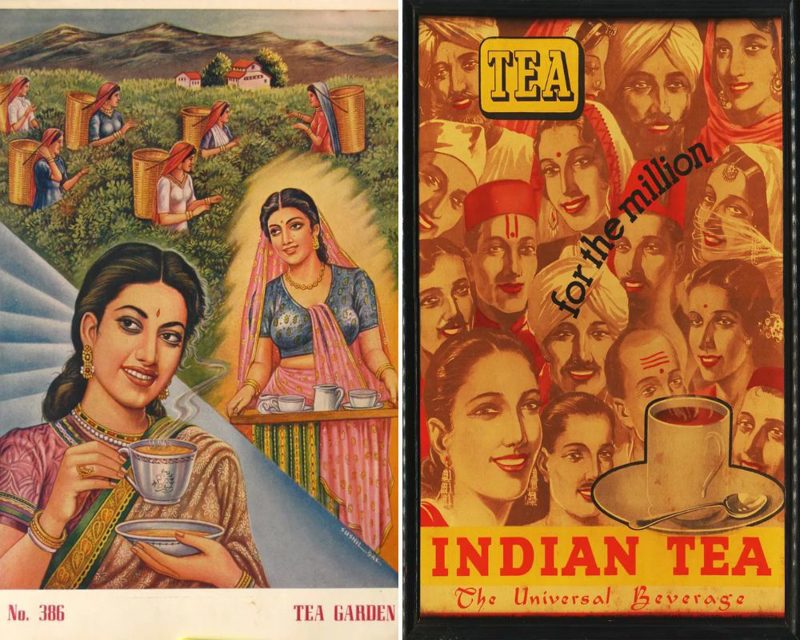
Advertisements promoted tea as an Indian beverage, leading to its modern popularity
The desire for independence meant that many Indians were eager to reject British imperial goods like tea. However, that doesn’t mean the beverage was pushed away completely. Instead, advertisements started to highlight tea as an Indian beverage, something that has stuck ever since. After independence was gained, plantations began to be taken over by Indian owners, further helping the drink’s popularity to blossom. Something else that aided this was the development of the “crush-tear-curl” process, which made brewing tea easier and faster. With it being so inexpensive, it wasn’t long before many Indians started adopting it.
Nowadays, tea is a beloved beverage in India, and the country’s brewing style has spread across the globe. With masala chai now enjoyed in so many places - such as Starbucks - there’s no denying the influence of India as a tea-drinking nation. It’s just amazing the journey that it took to reach this point.
You May Also Like
 Food
A Beginner's Guide to Stocking a Pantry
 Food
How to Season Food More Confidently
 Food
Knife Skills That Make Cooking Easier